
Effective art display combines aesthetics, preservation, and spatial harmony.
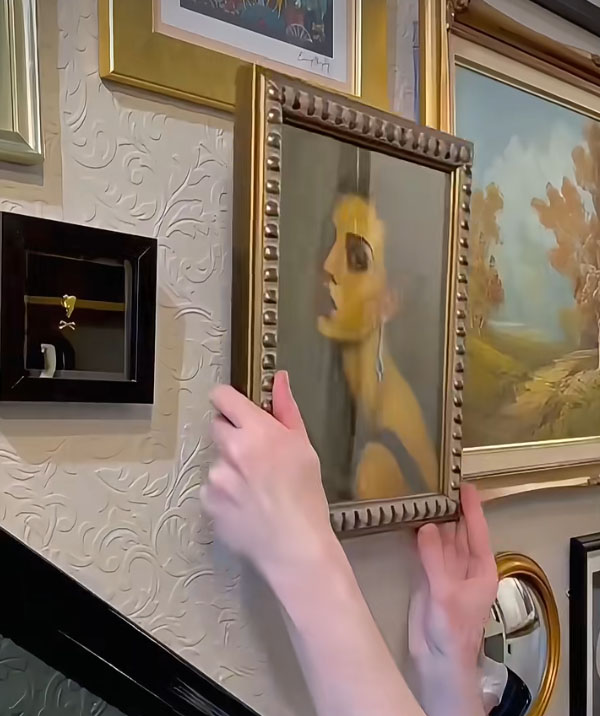
1. Establishing a Spatial Framework
Every effective art display begins with understanding the room’s layout. Pay attention to sightlines from doorways, the vertical rhythm created by windows or tall furniture, and how light flows across surfaces. These elements shape where the eye naturally stops. Instead of scattering artworks along empty walls, align each piece with the room’s underlying structure.
Select a main focal point per area — for instance, the wall directly opposite the entrance or above a long console table. This becomes the anchor for the rest of the arrangement. Additional pieces should support that central work, rather than compete with it.
A clear spatial hierarchy brings coherence and focus to an interior.
2. Choosing the Right Height and Proportion
Proportion determines how comfortably art fits into a space. In rooms with high ceilings, paintings may look unexpectedly small; in lower spaces, they can overpower furniture. Keeping consistent proportions helps the artwork feel integrated.
A common guideline places the center of most two-dimensional works at eye level — about 57–60 inches from the floor. When hanging art above sofas or console tables, leave 6–10 inches between the frame’s bottom edge and the furniture’s top. For groupings, treat them as a single visual unit and align the overall center accordingly.
Proper proportion and height create harmony between art and surroundings.
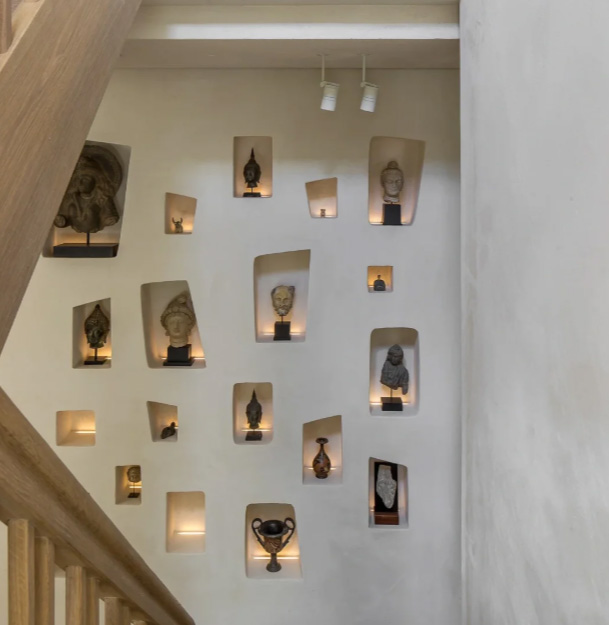
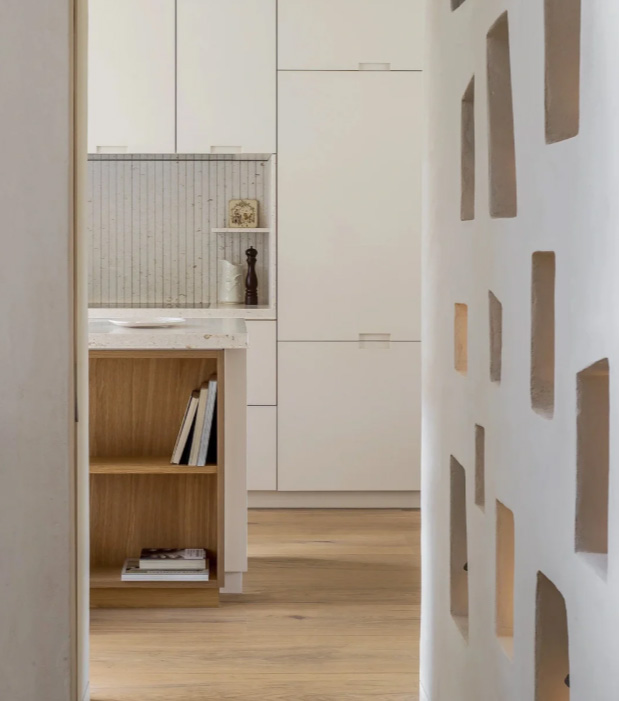
3. Expanded Art Display Ideas for Contemporary Homes
While gallery walls are versatile, a few alternative formats can enrich a home’s visual narrative.
3.1 Architectural Niches and Built-Ins
If your space includes recesses, alcoves, or built-in shelving, use them as intentional frames for sculptures or small canvases. These architectural features add depth and help art feel embedded within the structure.
3.2 Hybrid Walls
Pair framed artworks with wall-mounted sculptural pieces, textile art, or even floating shelves. This layering brings texture and variety to a wall, and it encourages interaction between different media rather than presenting flat images alone.
3.3 Freestanding Displays
For sculptures, ceramics, or three-dimensional works, consider pedestals, low plinths, or narrow side tables. Choose stable bases that don’t exceed waist height, to keep the pieces accessible and grounded.
Using diverse display formats adds dimensionality and keeps the space visually dynamic.
4. How to Display Sculptures at Home
Sculptures interact with space differently than paintings. They occupy volume, cast shadows, and change with light and perspective. Proper display accounts for these differences.
4.1 Placement and Space
Position sculptures where they won’t hinder movement but can still be seen from multiple angles. Corners near windows, wide entryway niches, or open shelving work well. Allow enough empty space around each piece so it stands out on its own.
4.2 Lighting and Shadows
4.3 Use soft, directional lighting to highlight form and texture. A single diffused spotlight can emphasize contours without creating harsh shadows or glare.
Environmental and Material Care
Avoid placing delicate sculptures near heat sources, direct sunlight, or areas prone to temperature swings. Materials such as stone, ceramic, or metal react differently to humidity and temperature, so ensure stable conditions.
Sculptures need breathing room, stable surfaces, and controlled lighting to reveal their full form.
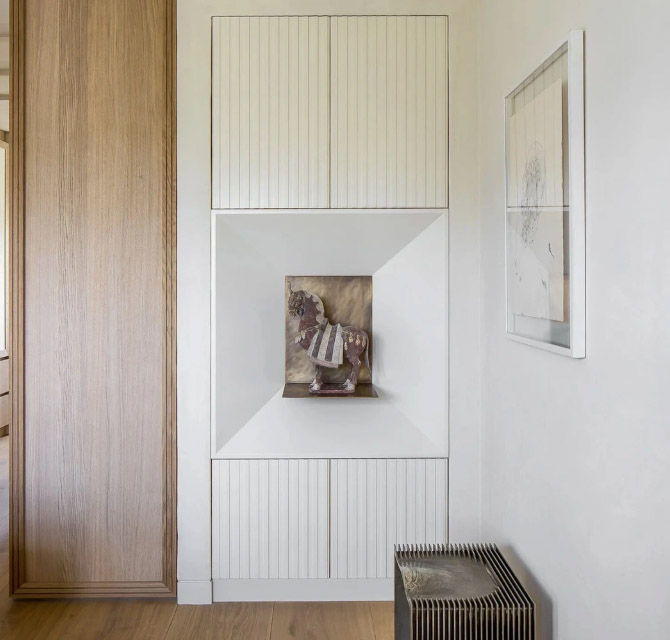
5. How to Frame an Oil Painting
The framing method protects the artwork and enhances its presentation, while ensuring structural longevity.
5.1 Choosing a Frame Style
Select frames that complement the painting without dominating it. Ornate gilded frames suit classical pieces; minimalist profiles or floating frames fit modern or abstract works.
5.2 Spacing, Backing, and Ventilation
Oil paintings should not rest directly against glass. Leave space to allow proper airflow and avoid moisture buildup. Use archival-quality backing materials to minimize warping over time.
5.3 Protective Glazing
Instead of standard high-gloss glass, consider museum-grade glass or UV-resistant acrylic. These options reduce glare and protect against fading while preserving clarity.
A well-chosen frame protects the painting and highlights its character.
6. Lighting Strategy for Long-Term Display
Lighting affects both visual impact and long-term preservation. Natural daylight brings liveliness, but carries UV risks. Artificial light — particularly LED fixtures — offers safer, more controllable illumination.
Use warm-to-neutral color temperatures (2700–3500 K) to preserve true color tones. Employ track lights or directional ceiling fixtures to spotlight key works without flooding entire walls.
Balanced lighting preserves color integrity and prevents damage over time.
7. Environmental Considerations
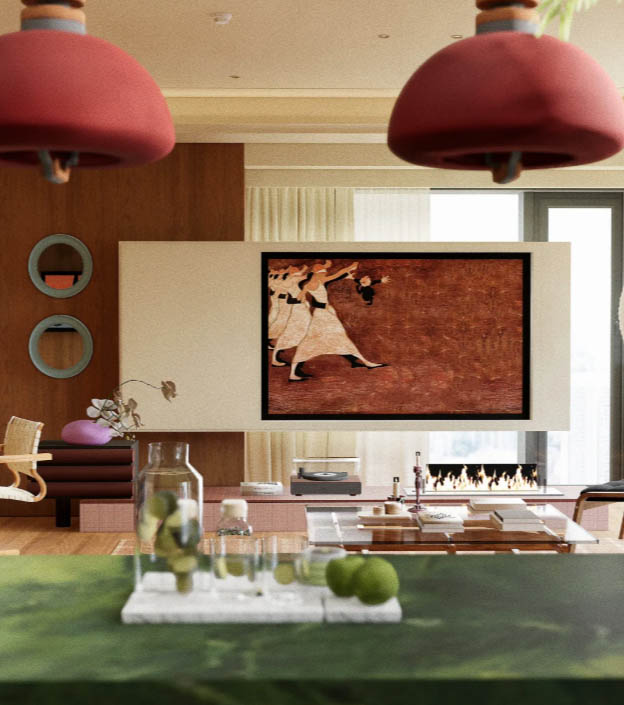
Art responds to changes in humidity, temperature, and ambient light. Avoid placing valuable works on exterior walls that undergo frequent temperature swings, or near kitchens and bathrooms, where humidity rises.
For sensitive artworks — especially oil paintings, wood panels, and paper-based pieces — consider using a basic environmental monitor to track humidity and temperature.
Climate stability is essential for long-term preservation of art.
8. Rotating and Refreshing the Collection
Rotating displayed artworks keeps interiors lively and reduces static exposure for individual pieces. Changing art seasonally or annually refreshes the mood and shares environmental exposure among your collection. For collections larger than wall space permits, use portfolio sleeves, shallow storage cabinets, or climate-safe shelving to protect and store pieces until their next rotation.
Periodic rotation maintains visual interest and prolongs each work’s lifespan.
About Art philoso
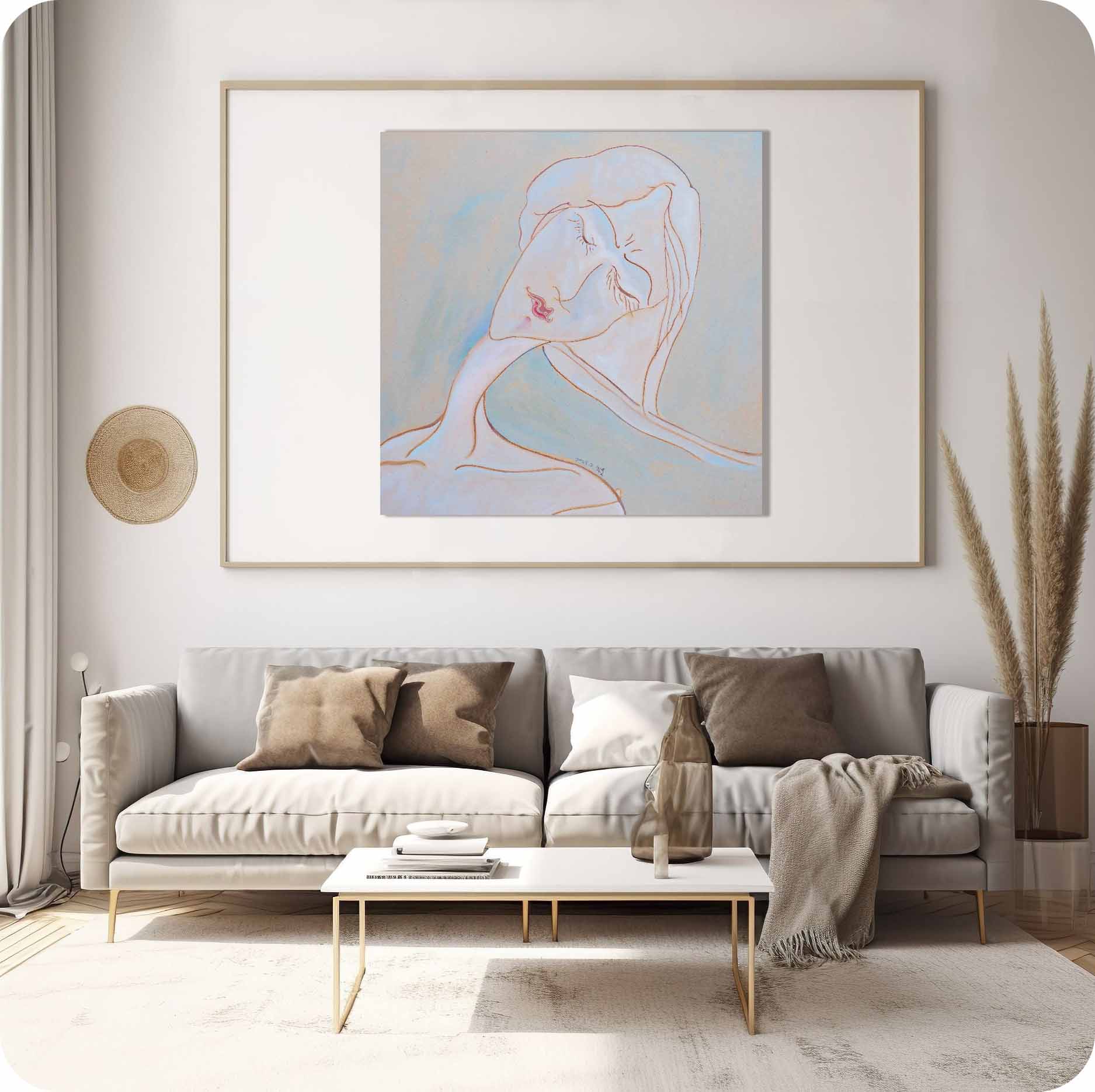
For homeowners and collectors seeking thoughtfully curated artwork that aligns with the display strategies above, artphiloso.com features a refined selection of contemporary oil paintings and mixed-media works. These pieces emphasize texture, depth, and spatial presence — ideal for focal-point placement, layered arrangements, or integration within architectural niches. The collection on art philoso supports enduring, harmonious interiors grounded in care, balance, and aesthetic coherence.
Hi, I’m Philo, a Chinese artist passionate about blending traditional Asian art with contemporary expressions. Through Artphiloso, my artist website, I share my journey and creations—from figurative painting and figure painting to floral oil painting and painting on landscape. You'll also find ideas for home decorating with paint and more.
FAQs
1. What determines where art goes in a room?
Art placement should follow sightlines, furniture layout, and the room’s natural light flow to integrate harmoniously.
2. How should sculptures be displayed at home?
Give sculptures breathing room, use stable surfaces, and highlight them with soft directional lighting to emphasize form and volume.
3. What’s important when framing an oil painting?
Use a frame and backing that allow air circulation, avoid direct glass contact, and choose protective glazing to shield against UV and dust.
4. Which lighting works best for long-term art display?
LED lights in the 2700–3500 K range provide gentle illumination while preserving colors and minimizing UV damage.
5. How can a collection stay fresh without crowding walls?
Rotate displayed pieces regularly and keep extra works in proper storage to protect them and renew your space’s visual atmosphere.