1. Foundations of Modern Wall Art for Living Rooms
Modern wall art for living rooms serves as a visual anchor that balances furniture placement, lighting, and open space. Contemporary interiors favor clarity and intentionality; modern paintings with defined geometry, tonal gradients, or restrained abstraction support that approach. These works help create rhythm and proportion in open plans and pair naturally with materials such as wood, stone, and matte metal.
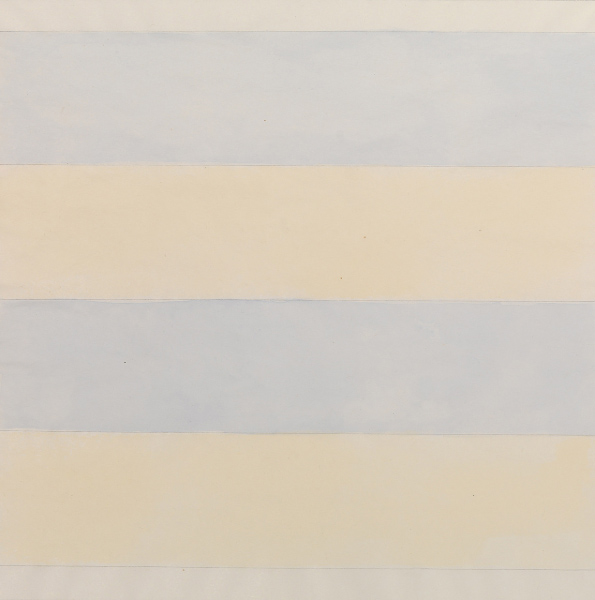
Reference points like the meditative panels of Agnes Martin demonstrate how calm structure and controlled patterning stabilize a room without overpowering it. Foundational principles allow modern wall art to unify architecture, lighting, and furnishing into a consistent interior experience.
2. Abstract Expression and Controlled Minimalism
Abstract compositions remain central to wall art for living room modern because they create presence without prescribing a narrative. Atmospheric fields and layered color zones show how abstraction introduces depth and emotional tone while remaining adaptable to varied décor.
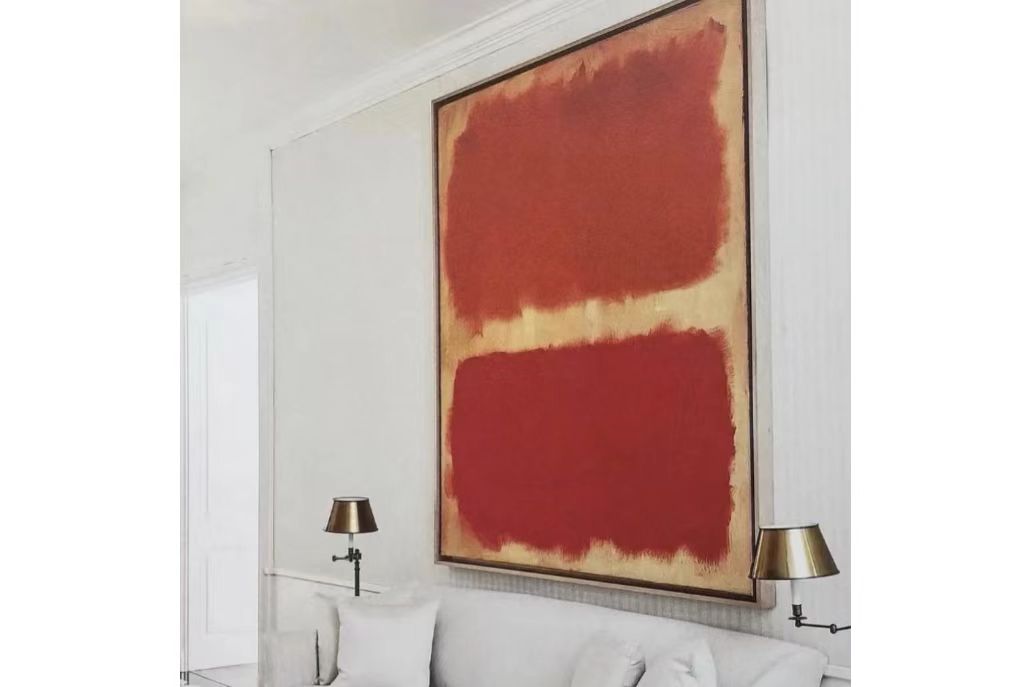
Minimalist works—monochrome grids, line-focused canvases, or structured geometric forms—build visual clarity and support Scandinavian or Japanese-inspired interiors. The emotional depth of large color fields, as illustrated in the work of Mark Rothko, shows how color can set mood while allowing furniture and textiles to remain central. Abstract and minimalist pieces offer adaptable visual impact that enriches modern interiors with subtle, structured presence.
3. Textural Works and Material-Focused Modern Paintings
Material-driven artwork adds tactile contrast to living rooms filled with smooth surfaces. Plaster reliefs, sand-textured finishes, and matte acrylic layers create dimensionality that shifts with lighting and viewing angle. These pieces work well between windows, above sectionals, or across from reflective surfaces.
The energetic marks and layered surfaces in works associated with Cy Twombly illustrate how texture and gesture create movement that transforms throughout the day. Material-focused artwork deepens spatial character and prevents visual flatness in modern living rooms.
4. Monochrome, Black-and-White, and Neutral-Tone Artwork
Monochrome modern pictures for living room interiors provide structure and long-term versatility. Black-and-white works pair effectively with stone, wood, or textile-rich spaces and act as a neutral foil for colorful accents. Neutral palettes—taupe, charcoal, pale beige—add warmth without shifting a room’s overall color direction.
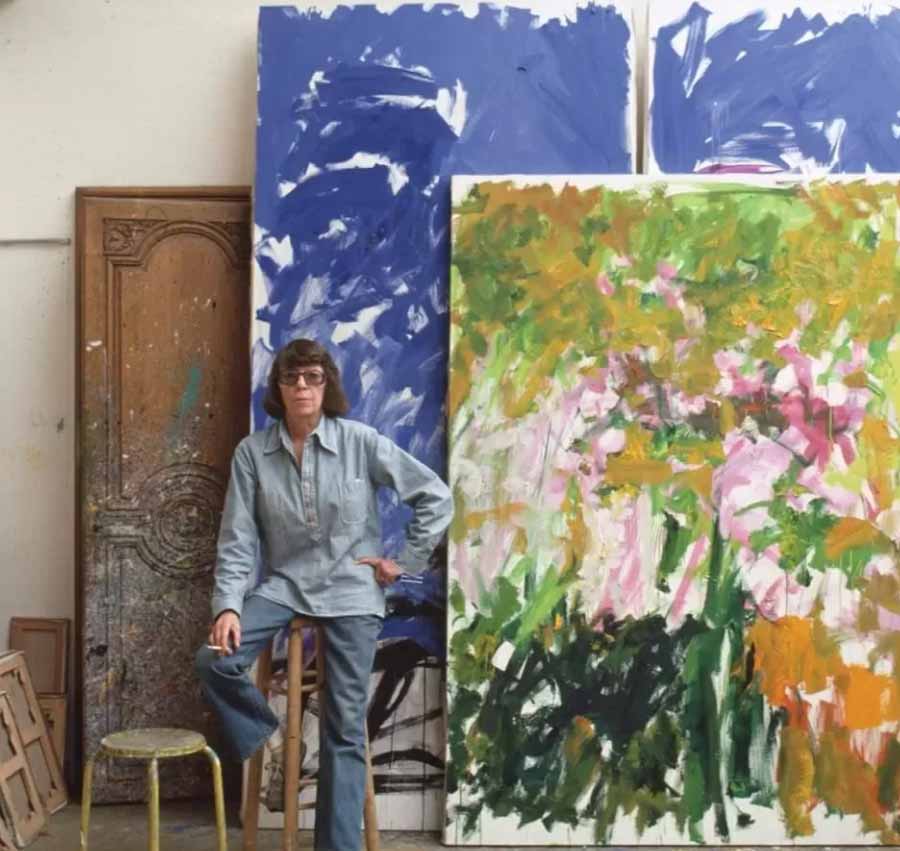
The layered painterly marks found in works by Joan Mitchell demonstrate how reduced palettes can still maintain complexity and visual energy. Monochrome and neutral artwork supports tonal stability and reinforces a calm, balanced living room environment.
5. Oversized Statement Art and Multi-Panel Configurations
Large-format modern paintings resolve proportion issues created by wide or tall walls. Oversized canvases anchor open rooms and create a proportional dialogue with substantial furniture. Multi-panel works—diptychs and triptychs—introduce rhythm and widen sightlines without fragmenting the visual field.
Museum presentations of scale, such as works by Kazuo Shiraga, show how size, movement, and structure can define a space. Large-scale artwork strengthens proportion and coherence across expansive living room walls.
6. Color-Forward Art and Contemporary Tonal Strategies
Intentional color use in wall art for living room modern introduces warmth and personality. Soft blues and muted greens bring calm, while terracotta and ochre add grounded warmth. Darker tones, such as navy or forest green, contribute sophistication without overwhelming the room.
These color strategies work best when the living room maintains a stable neutral base; pillows, ceramics, or accent chairs can echo a color from the artwork for subtle cohesion. Color-based artwork enhances the emotional tone of the living room through controlled, intentional chromatic expression.
7. Integrating Modern Wall Art With Lighting, Furniture, and Décor
Modern pictures for living room settings perform best when combined with deliberate lighting. Directional sconces, narrow track fixtures, and warm ambient sources highlight texture and reduce glare. Position artwork so it spans roughly two-thirds the width of the furniture beneath it to preserve balanced proportion.
Coordination with surrounding materials—ceramics, stone, metal accents, and textiles—produces a unified environment rather than a collection of isolated elements. Thoughtful integration ensures modern artwork complements lighting conditions, furniture placement, and material relationships.
About Art philoso
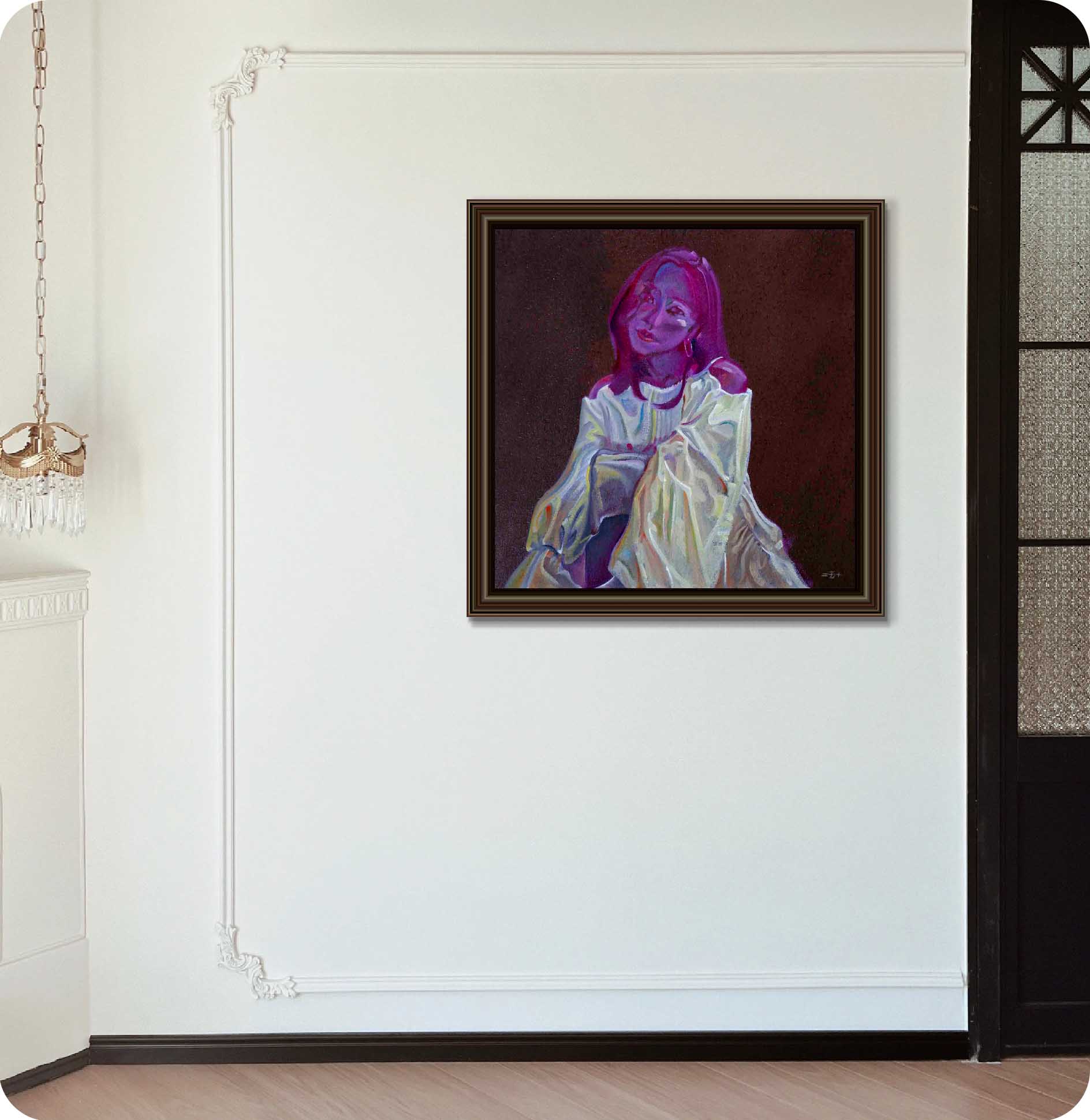
For readers seeking modern wall art for living rooms that balances artistic depth with contemporary design principles, artphiloso.com offers a curated selection emphasizing texture, refined color, and balanced composition. The collection highlights artists and works that integrate with minimalist and transitional interiors, supporting a calm, structured visual environment that feels designed with intention.
Hi, I’m Philo, a Chinese artist passionate about blending traditional Asian art with contemporary expressions. Through Artphiloso, my artist website, I share my journey and creations—from figurative painting and figure painting to floral oil painting and painting on landscape. You'll also find ideas for home decorating with paint and more.
FAQs
- 1. What styles work best as modern wall art for living rooms?
- Abstract, minimalist, monochrome, and textured works remain effective because they align with the clean proportions and materials common in modern interiors.
- 2. How does scale guide the selection of modern pictures for a living room?
- Large-format pieces or multi-panel arrangements support proportion and maintain balance across wide or open walls.
- 3. How do materials influence the effect of modern paintings in living rooms?
- Plaster, sand, linen, and matte acrylic produce dimensionality that enriches contemporary furniture and architectural elements.
- 4. How does color strategy contribute to the effectiveness of modern wall art?
- Neutral palettes stabilize the room, while selective accent colors enhance mood and support cohesive styling.
- 5. How does lighting affect modern wall art placement?
- Directional or soft ambient lighting highlights texture and composition, enhancing spatial clarity.