
Modern interiors rely on clarity, proportion, and well-chosen materials. Oil paintings remain central to these spaces, and the frame determines how effectively a piece integrates with contemporary rooms. The process of selecting framing for oil paintings benefits from a practical understanding of scale, material, and placement.
Thoughtful framing enhances the visual impact and long-term stability of an oil painting.
1. The Role of a Frame in Contemporary Interiors
The frame protects the canvas, establishes a transition between artwork and wall, and shapes how viewers read the composition. In modern interiors, the frame acts as a stabilizer that reduces visual noise and supports the painting’s presence. This approach differs from traditional settings where ornate frames often compete with the artwork.
Modern frames favor clean lines, subtle tones, and materials that harmonize with the space. When deciding how to frame an oil painting, the guiding principle is clarity. The frame supports the artwork without drawing focus.
A modern frame works best when it strengthens the artwork’s presence without adding visual weight.
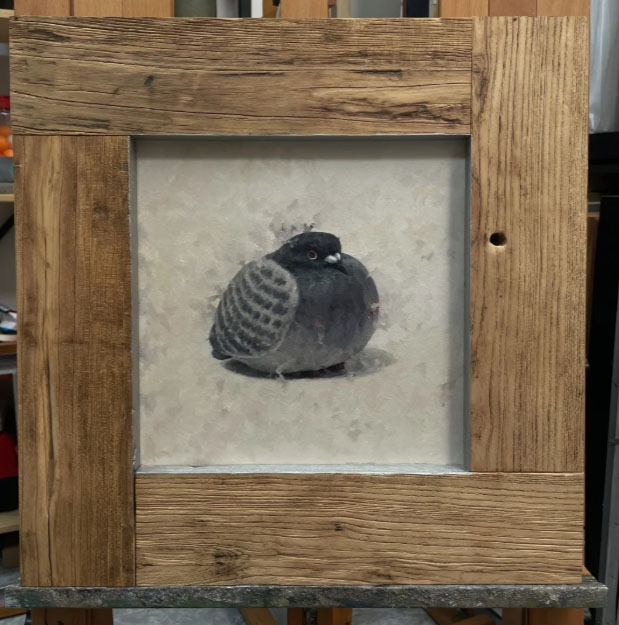
2. Modern Frame Styles for Oil Paintings
2.1 Floating Frames
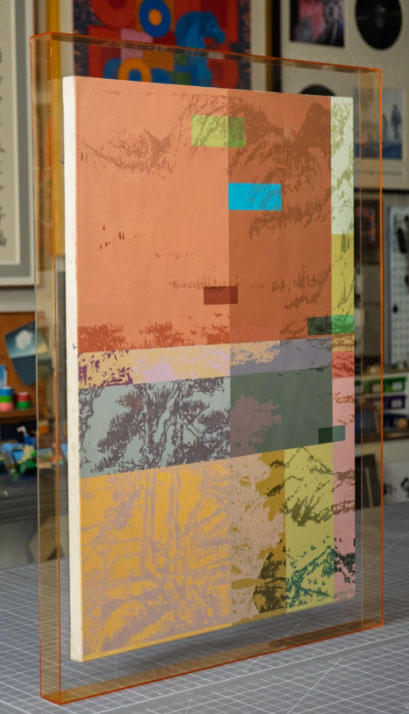
Floating frames create a slight gap between canvas and frame, offering a museum-like presentation. This approach matches both minimalistic and textured oil paintings.
2.2 Slim Wood Frames
Light or medium-toned wood adds warmth while keeping a simple profile. Woods such as oak and walnut bring balance to modern interiors and pair well with muted palettes.
2.3 Black and White Frames
Black frames ground color-heavy works. White frames maintain brightness and blend smoothly into Scandinavian-inspired rooms.
2.4 Metal Frames
Brushed aluminum and satin brass provide a modern sheen that complements spaces with concrete, glass, or steel elements.
Modern frame styles succeed when they emphasize simplicity, warmth, and proportion.

3. Proportion, Scale, and Spatial Behavior
Selecting framing for oil paintings benefits from understanding how scale interacts with furniture and wall surfaces.
3.1 Frame Thickness
Thin frames work well for medium and large oil paintings, while thicker profiles support smaller pieces or detailed realism. Using consistent thickness across multiple artworks builds cohesion.
3.2 Negative Space
Floating frames naturally introduce breathing room. Conventional frames require careful width selection to avoid visual compression.
3.3 Wall Interaction
Frame finishes should relate to architectural details. Black frames add contrast in industrial settings. Wood frames integrate into warm interiors. Metal frames pair well with modern construction elements.
Balanced proportions help the artwork function naturally within the room.
4. Color Strategy and Atmosphere
Frame color influences the interpretation of an artwork and its relationship to the room.
4.1 Neutral Frames
Black, white, and natural wood maintain neutrality and support the artwork as the visual focus.
4.2 Warm Metallics
Brass softens earth-toned palettes and adds understated refinement.
4.3 Cool Metallics
Silver and pewter suit gray-based rooms and enhance cool-toned artworks.
4.4 Color-Matched Frames
Matching a frame to a dominant color in the artwork creates a unified presentation when used selectively.
Frame color guides how the artwork connects to the room’s atmosphere.
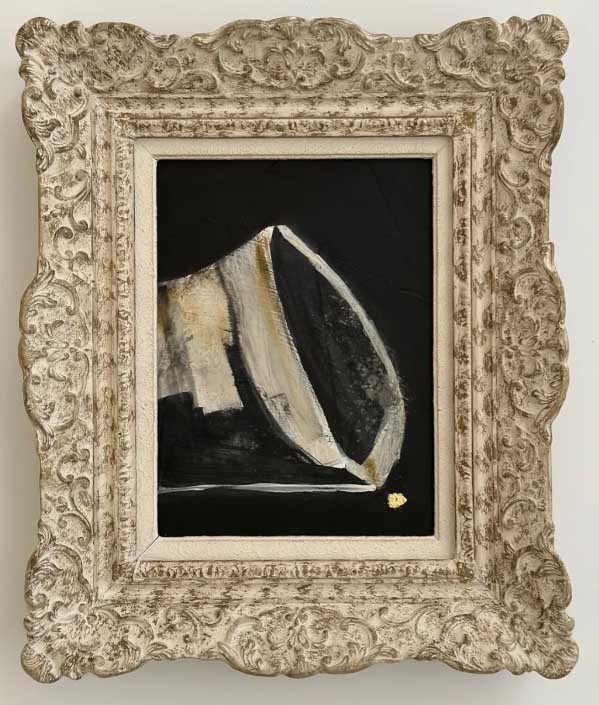
5. Material Considerations and Longevity
Material choice affects durability and appearance.
5.1 Wood Frames
Wood offers stability and natural warmth and pairs well with most oil paintings.
5.2 Metal Frames
Aluminum and steel provide slim, durable profiles suited for large works.
5.3 Canvas Depth
Gallery-wrapped canvases can remain unframed, though floating frames maintain depth while preserving the canvas edges.
5.4 Preservation
Oil paintings benefit from stable humidity, moderate temperature, and soft lighting. Archival backings and UV-conscious placement extend the lifespan of both painting and frame.
Durable materials and appropriate environmental care support long-term preservation.
6. Placement, Lighting, and Display Logic
Frames behave differently depending on their location within the home.
6.1 Living Spaces
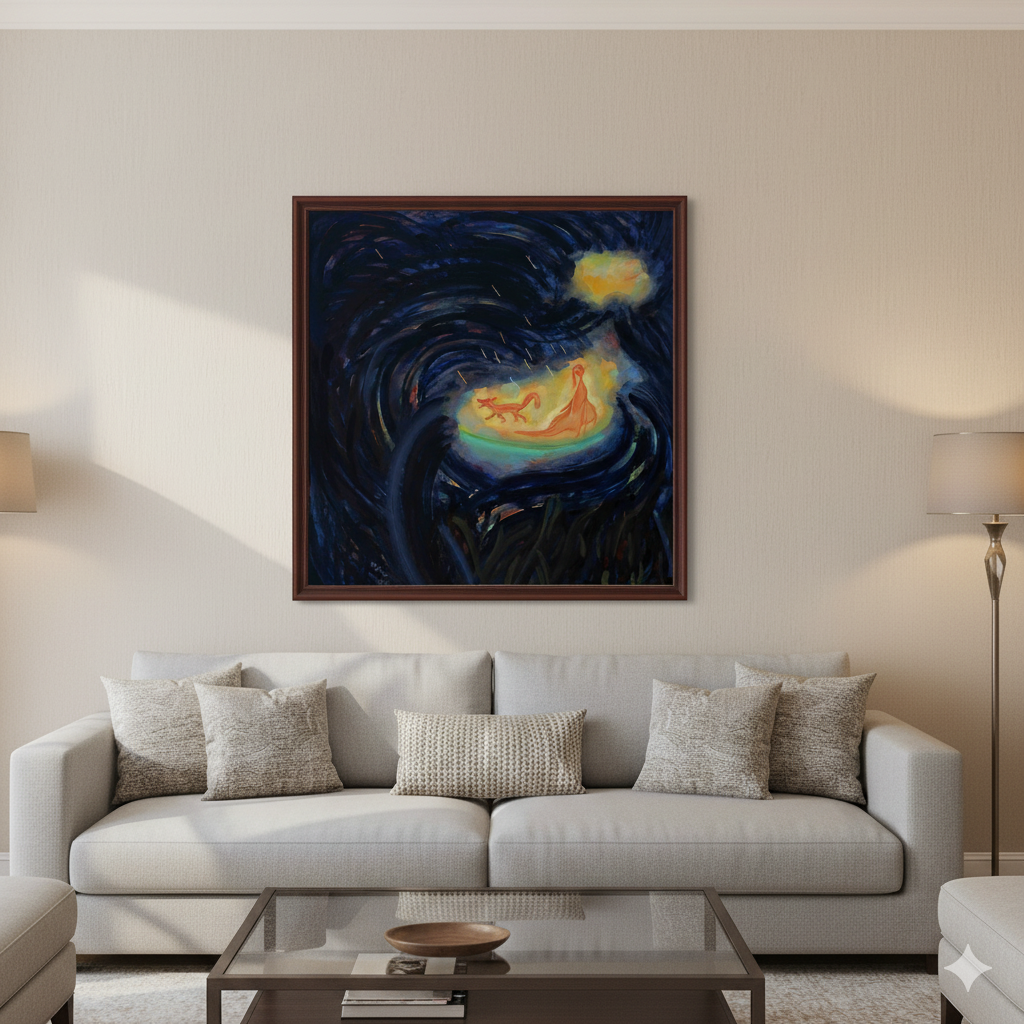
Large oil paintings anchor living rooms. Subtle frames maintain depth without dominating furniture layouts.
6.2 Bedrooms
Warm wood or white frames support a calm atmosphere and reduce glare.
6.3 Dining Areas
Metal frames or slim black profiles create contrast and pair well with structured lighting.
6.4 Corridors
Small oil paintings benefit from consistent frames that build visual rhythm in narrow passages.
Thoughtful placement and lighting allow framed oil paintings to perform effectively in everyday environments.

7. Multi-Artwork Arrangements
Displaying multiple oil paintings expands creative possibilities in modern interiors.
7.1 Unified Frame Strategy
Matching frame colors or materials ensures cohesion across varied artworks.
7.2 Modular Layouts
Grid, linear, or salon-style layouts each reinforce different architectural intentions and should be selected according to wall shape and viewing distance.
7.3 Visual Anchoring
A larger central artwork provides structure for surrounding smaller pieces, and consistent spacing enhances readability.
Coordinated framing strengthens the character of multi-artwork displays.
About Art philoso
For readers exploring contemporary framing and presentation, artphiloso.com offers a curated selection of oil paintings that integrate naturally into modern interiors. The collection highlights balanced compositions, refined textures, and versatile palettes that respond well to the framing principles outlined in this guide. The artworks support a quiet, thoughtful aesthetic suitable for homes seeking clarity and depth.
Hi, I’m Philo, a Chinese artist passionate about blending traditional Asian art with contemporary expressions. Through Artphiloso, my artist website, I share my journey and creations—from figurative painting and figure painting to floral oil painting and painting on landscape. You'll also find ideas for home decorating with paint and more.
FAQs
1. What frame style works best for modern oil paintings?
Floating frames, slim wood profiles, and neutral black or white frames offer clean edges and contemporary cohesion.
2. How should frame thickness relate to artwork size?
Larger artworks work best with slim frames, while smaller pieces benefit from thicker profiles for balance.
3. What materials perform well for oil painting frames?
Wood provides warmth and versatility; metal delivers crisp lines and strong durability.
4. How does frame color affect presentation?
Neutral colors support versatility. Warm metallics suit earth tones, while cool metals complement gray or blue palettes.
5. How can multiple artworks be framed cohesively?
Consistent materials, matching colors, and uniform spacing create a cohesive visual arrangement.
6. How does surrounding architecture influence frame selection?
Frame finishes respond to wall textures, lighting conditions, and structural materials.