
Across centuries and cultures, artists have returned to one enduring subject: love. From courtly devotion to private intimacy, from political allegory to personal confession, paintings romance themes have shaped visual culture. Many surveys of art paintings of love focus on a familiar group of European masterpieces, often centered on the kiss. While those works remain essential, a wider perspective reveals that paintings of lovers reflect cultural systems, power relations, and evolving ideas about identity.
This study builds upon that canon while addressing its limits. Rather than repeating a narrow list of famous paintings about love, it considers political symbolism, psychological depth, social context, and global traditions. The result is a fuller understanding of how love paintings function across time.
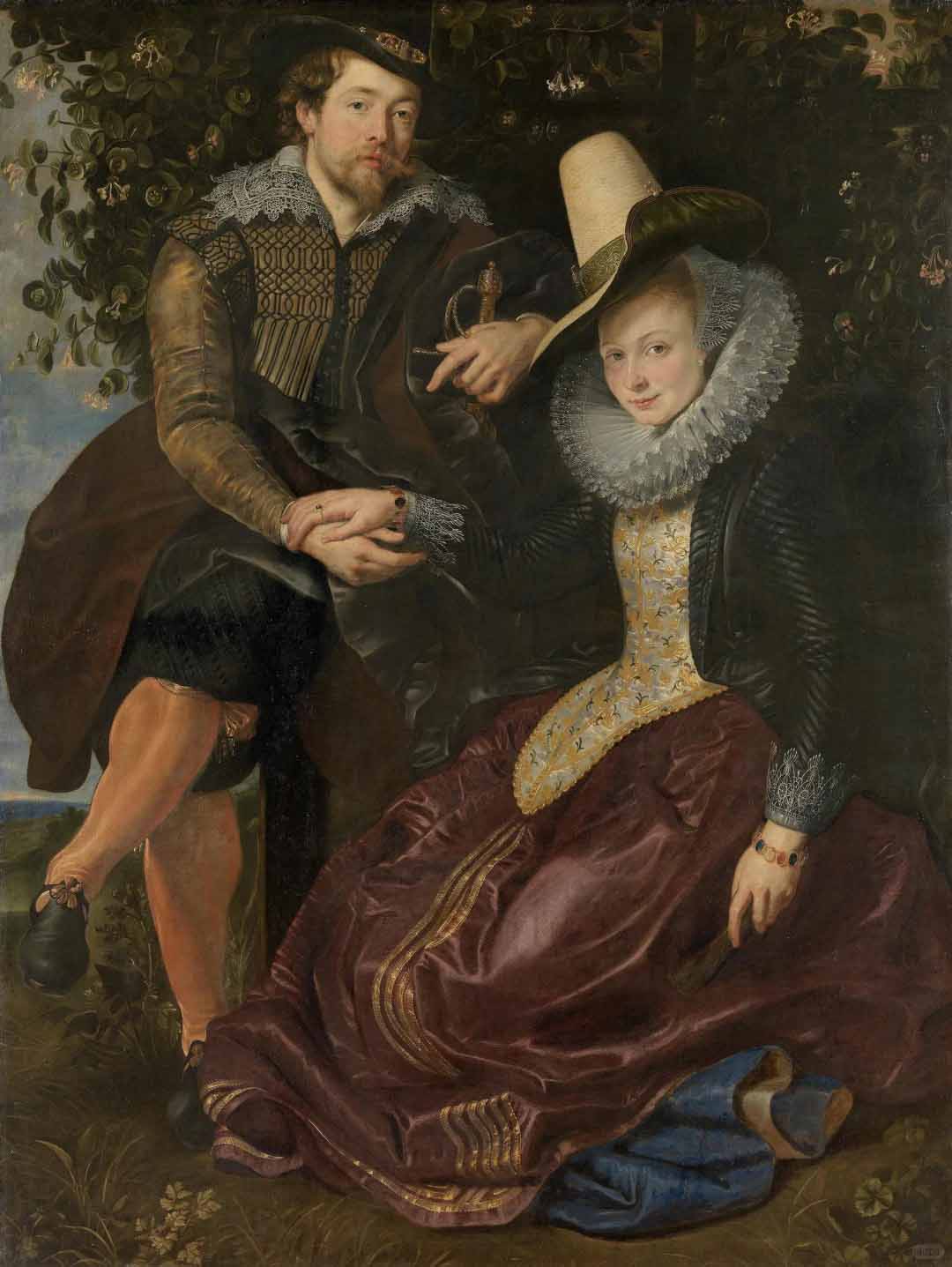
In early modern Europe, love frequently appeared as allegory. In Peter Paul Rubens’ The Honeysuckle Bower, marital affection signals status and continuity. The joined hands and lush setting communicate lineage and stability as clearly as intimacy.
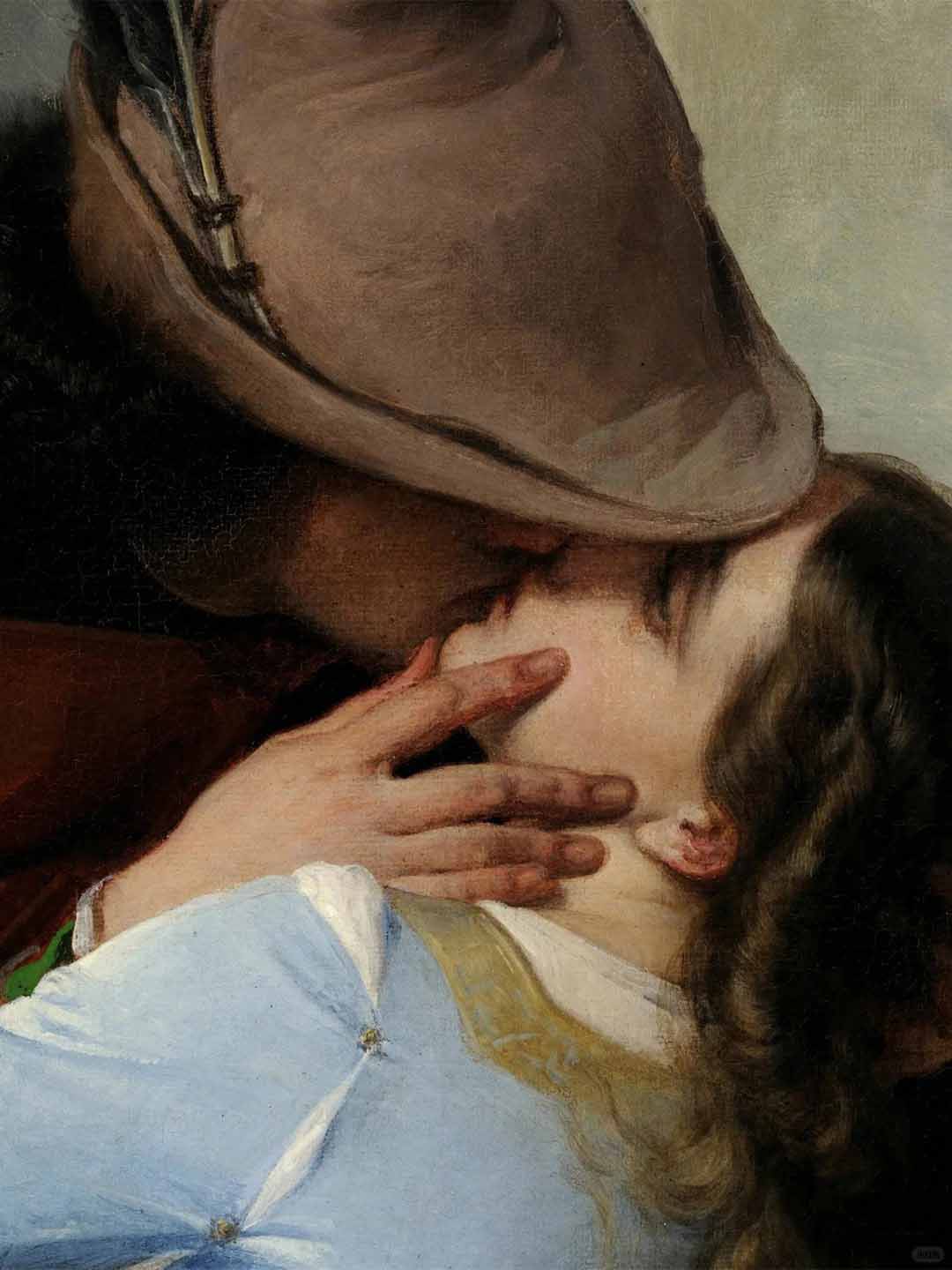
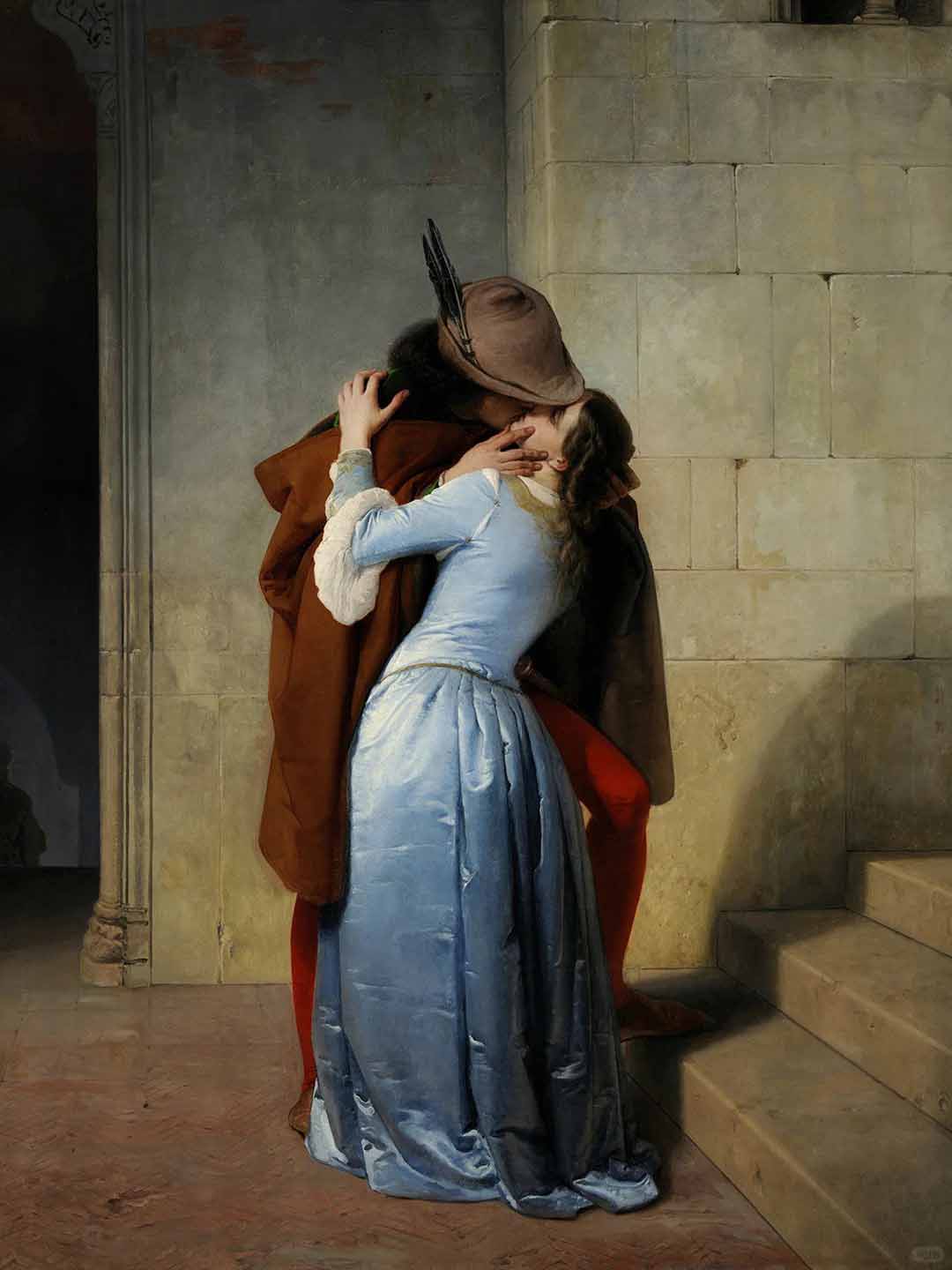
Similarly, Francesco Hayez’ The Kiss encodes nationalist meaning within romantic imagery. The embrace reflects political aspiration during Italian unification.
Traditional summaries note symbolism briefly. A closer reading shows that many famous paintings about love were designed to communicate layered public meaning. In many historical contexts, love functioned as a visual language of alliance and ideology.
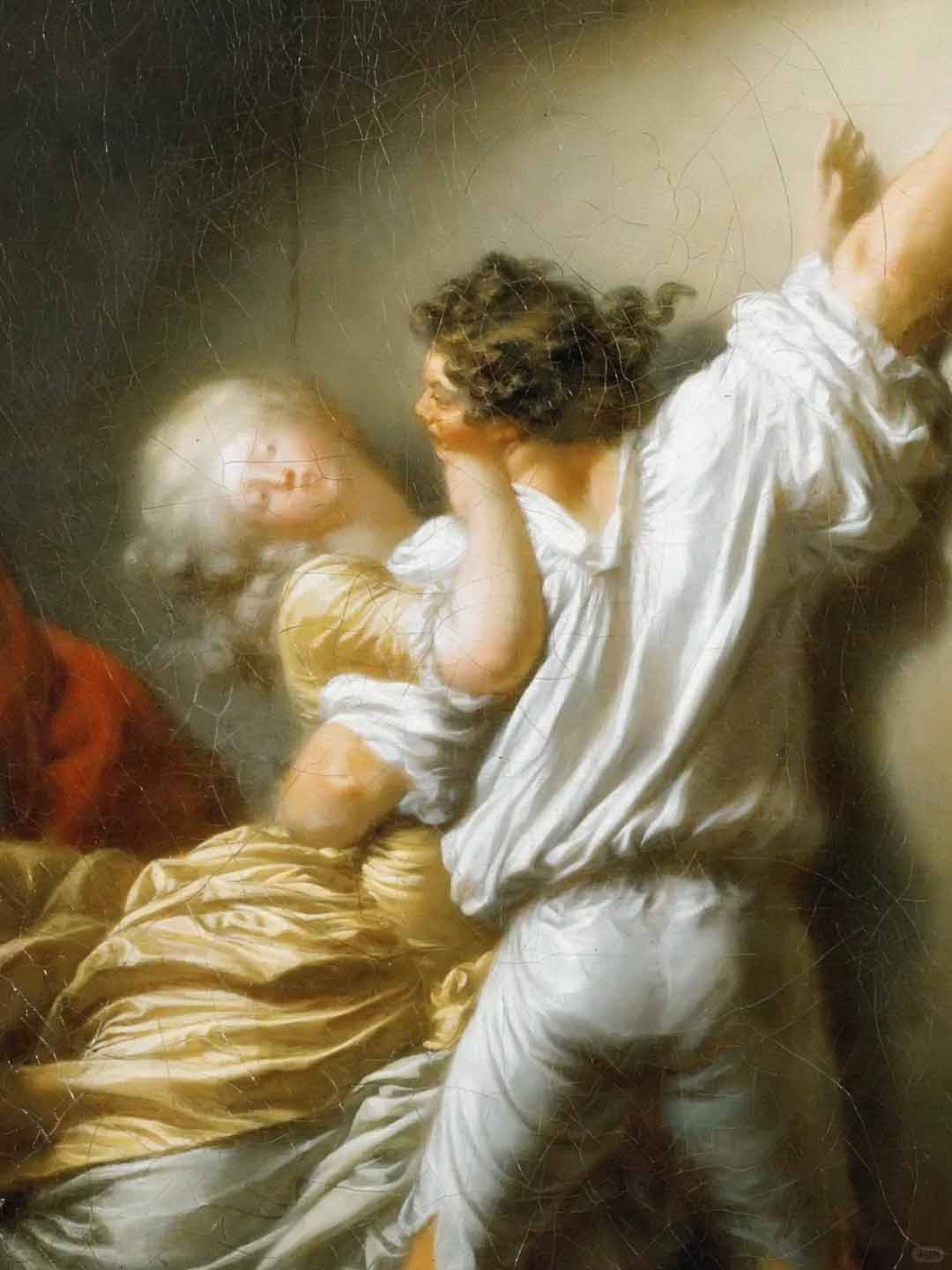
By the eighteenth and nineteenth centuries, artists shifted from allegory to lived experience. Jean-Honoré Fragonard’ The Bolt presents a moment of urgency framed within Rococo elegance. The composition suggests secrecy and emotional tension.
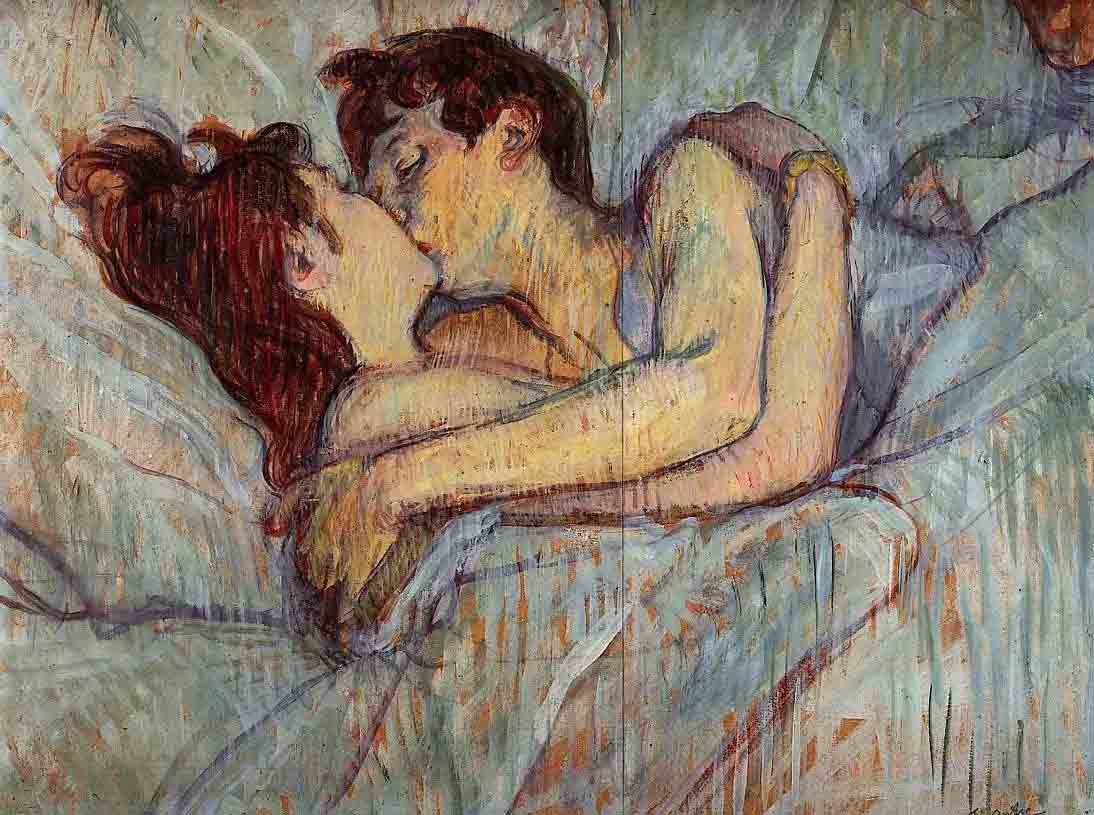
Later, Henri de Toulouse-Lautrec’ In Bed, the Kiss depicts intimacy between two women without theatrical exaggeration. The scene expands the category of paintings of lovers beyond conventional narratives.
Rather than relying on spectacle, these love paintings focus on gesture and proximity. Modern paintings romance increasingly emphasize emotional realism over symbolic ornament.
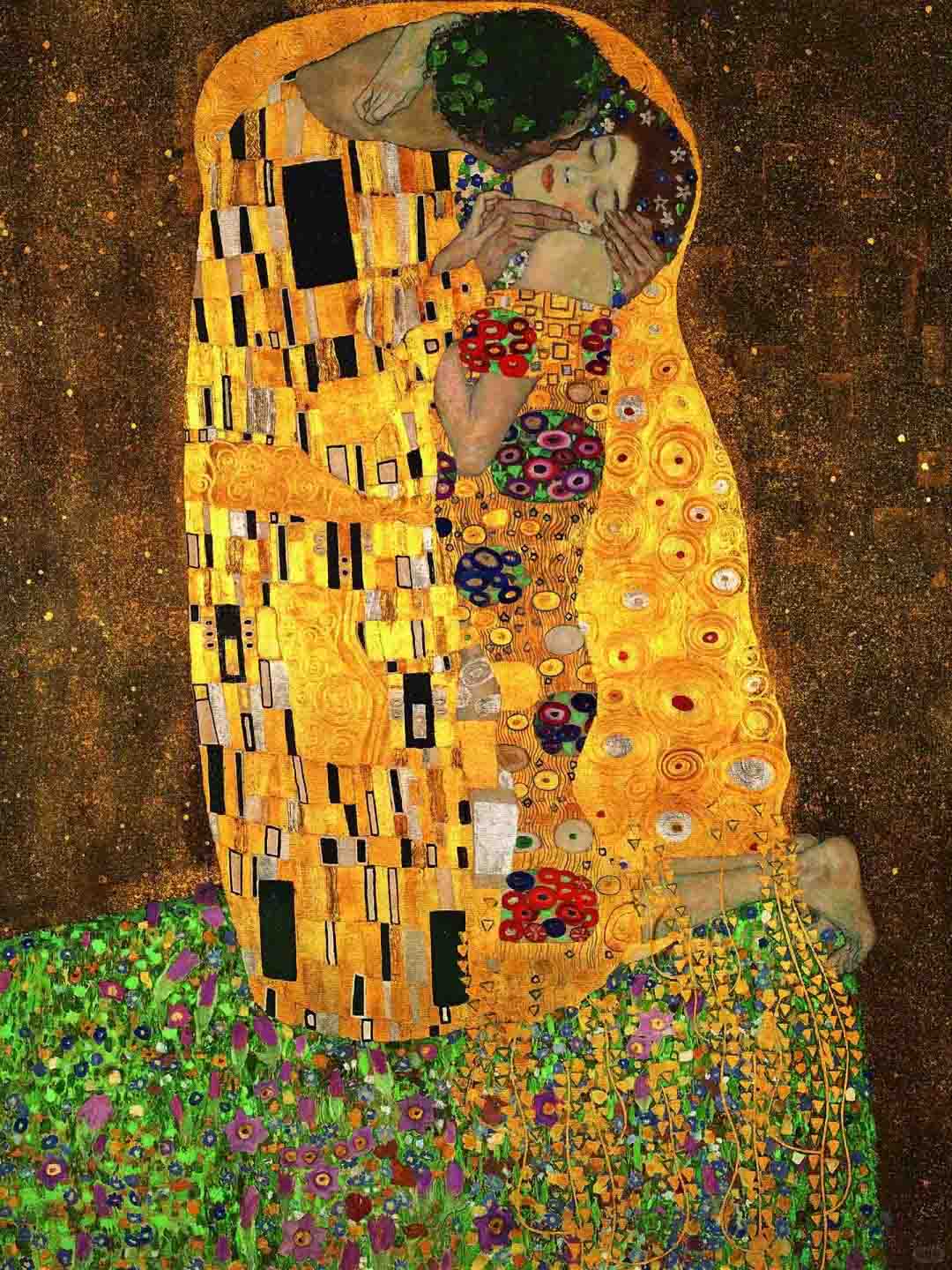
The kiss remains one of the most recognizable motifs in art paintings of love. Gustav Klimt’ The Kiss merges figures into decorative abstraction. Pattern and gold surface reduce individual detail in favor of spiritual unity.
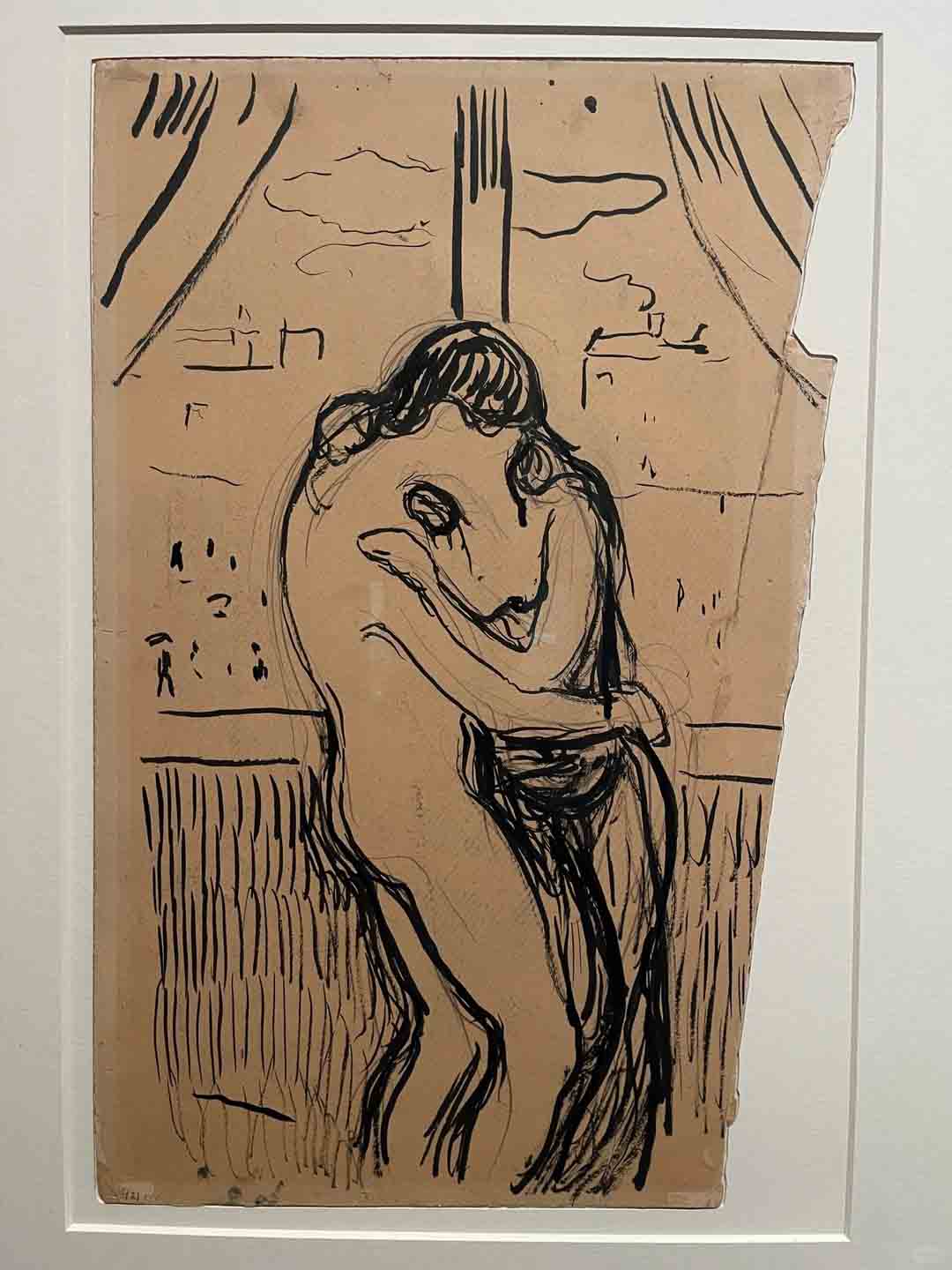
By contrast, Edvard Munch’ The Kiss renders lovers as nearly indistinguishable forms in shadow. The fusion suggests both connection and loss of self.
Placed side by side, these works reveal changing cultural attitudes toward individuality within relationships. The recurring image of the kiss charts how paintings romance reflect shifting ideas of selfhood and intimacy.
Not all famous paintings about love depict dramatic embraces. In Pierre-Auguste Renoir’s social scenes, affection unfolds within cafés and gardens. Companionship becomes part of daily life rather than a staged event.
Impressionist brushwork reinforces this sense of immediacy. Romantic connection appears fleeting and modern.
These works demonstrate that paintings of lovers need not rely on symbolism or myth. Love paintings can also document shared experience within changing urban society.
Twentieth-century artists often fused romance with autobiography. Frida Kahlo’s portraits featuring Diego Rivera present partnership shaped by admiration, conflict, and resilience.
Such works resist idealization. They depict love as negotiation and shared creative ambition. In these cases, art paintings of love function as records of lived experience rather than mythic narratives.
By foregrounding personal identity, these works redefine paintings romance as expressions of self-awareness. Modern love paintings frequently operate as visual records of relational complexity.
In the mid-twentieth century, Roy Lichtenstein adapted comic-book imagery to examine mediated emotion. Stylized couples reflect how romance circulates through print and advertising.
This approach broadens the category of paintings romance by exposing cultural scripting. Rather than presenting direct confession, these works analyze representation itself.
As technology reshaped perception, artists responded by questioning authenticity. Contemporary love paintings often examine how media influences emotional expectation.
Beyond Europe and North America, traditions such as Persian miniatures and Japanese ukiyo-e prints depict lovers within poetic and spiritual frameworks. These works integrate landscape, calligraphy, and narrative cycles.
Including such traditions ensures that discussions of famous paintings about love do not remain geographically narrow. Romantic imagery reflects distinct cultural systems of courtship and devotion.
A global lens strengthens the study of paintings of lovers by situating them within diverse visual traditions. Love in art history emerges as a cross-cultural theme expressed through multiple artistic languages.
Recent scholarship reexamines agency within love paintings. Historical compositions often position women as objects of gaze, while contemporary artists reinterpret romance through feminist and queer perspectives.
Attention to posture, gaze, and spatial hierarchy clarifies embedded power relations. Such analysis deepens understanding without diminishing aesthetic appreciation.
By integrating critical frameworks, viewers approach art paintings of love with greater awareness. Examining representation reveals how paintings romance mirror broader social structures.
From allegory to autobiography, from elite patronage to mass media, famous paintings about love trace evolving definitions of connection. Political symbolism, psychological insight, daily companionship, and cultural variation all shape this genre.
Taken together, these dimensions show that paintings of lovers are not static images of affection. They record how societies define partnership, identity, and belonging. Love paintings remain a dynamic reflection of human relationships across time and culture.
Hi, I’m Philo, a Chinese artist passionate about blending traditional Asian art with contemporary expressions. Through Artphiloso, my artist website, I share my journey and creations—from figurative painting and figure painting to floral oil painting and painting on landscape. You'll also find ideas for home decorating with paint and more.
For readers exploring contemporary interpretations of intimacy, artphiloso.com presents works that examine connection through disciplined composition and restrained atmosphere. The site emphasizes visual tension, refined structure, and focused portraiture.
The featured works extend the tradition of love paintings into a contemporary visual language grounded in clarity and conceptual precision.

1. Why is the kiss such a dominant image in paintings romance?
It provides a concise visual symbol of intimacy that adapts easily across artistic movements.
2. Are love paintings always personal expressions?
Many historical works use romance to communicate political or dynastic messages.
3. How do modern paintings of lovers differ from earlier examples?
They tend to emphasize psychological depth, autobiography, and questions of identity.
4. Why should global traditions be included in discussions of famous paintings about love?
Different cultures visualize courtship and devotion in distinct ways, enriching the overall narrative.
5. How can viewers better interpret art paintings of love today?
Careful attention to context, composition, and cultural framework allows deeper understanding beyond surface emotion.