The history of female nudes in Western art reflects shifting ideas about beauty, morality, authorship, and power. Rather than tracing a simple path from repression to liberation, the depiction of the unclothed female body reveals changing cultural systems that shaped how bodies were produced, viewed, and interpreted. From sacred allegory to modern autonomy, the female figure has moved through religious symbolism, classical revival, erotic display, social realism, psychological distortion, and feminist reclamation.
Popular surveys often emphasize stylistic transitions while overlooking economic, institutional, and gendered structures. A fuller account situates famous nude art within its material conditions of production and reception.
In medieval Europe, the unclothed body rarely appeared as an autonomous subject. Within church commissions and illuminated manuscripts, nudity functioned primarily within biblical narratives. Figures such as Adam and Eve symbolized shame, fallibility, or divine creation.
The body was governed by theological doctrine, not aesthetic inquiry. Workshop systems tied to ecclesiastical authority determined iconography and meaning.
In the medieval period, the female body operated as moral allegory rather than independent aesthetic subject.
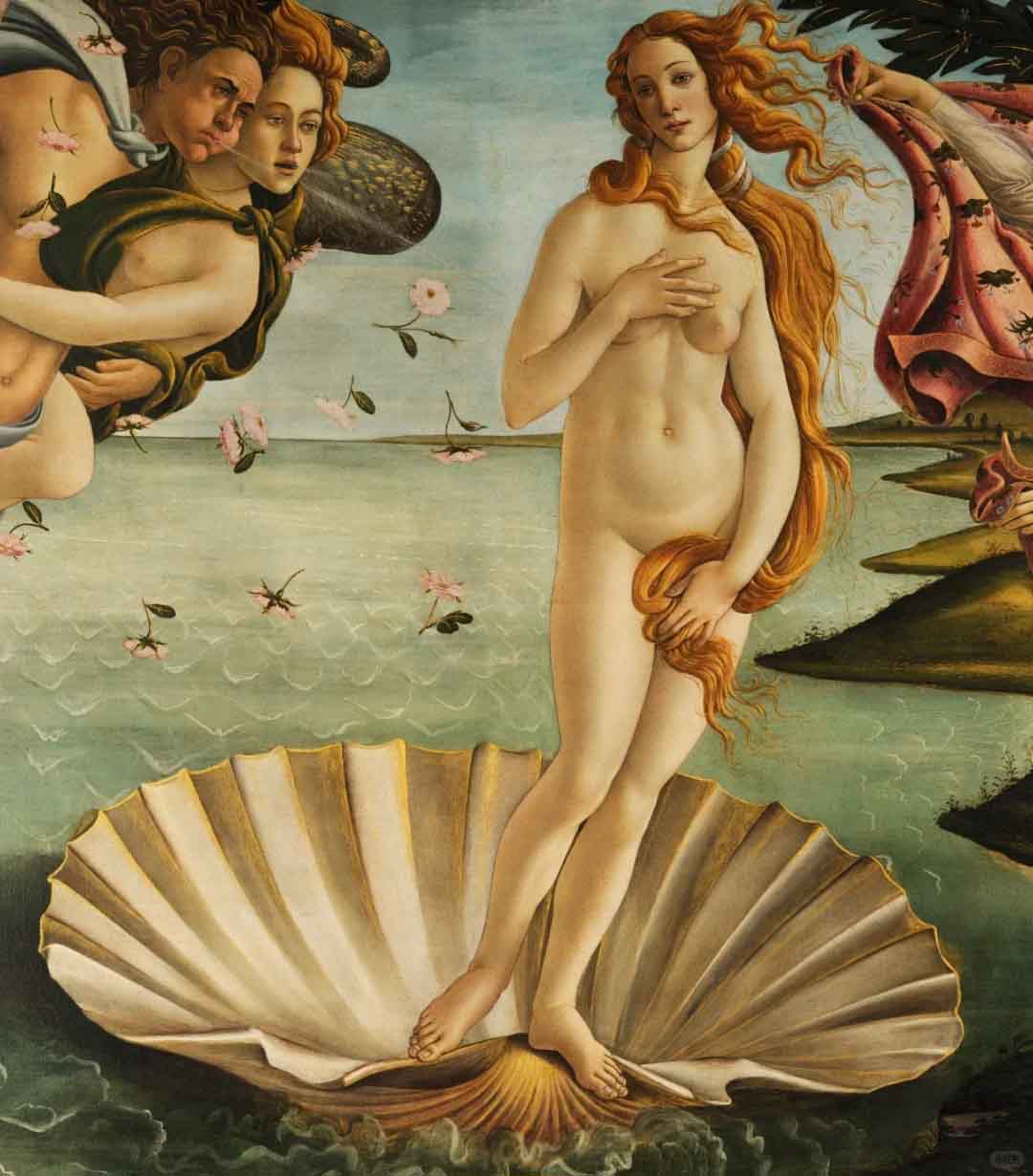
The Renaissance reintroduced Greco-Roman proportion and anatomical study. Humanist philosophy reframed the body as a site of intellectual and visual inquiry. Artists such as Leonardo da Vinci, Sandro Botticelli, and later Titian positioned the female form at the center of compositional balance.
Mythology provided cultural legitimacy for sensual imagery. Venus became a recurring model for exploring proportion, softness, and spatial harmony. These paintings defined conventions that shaped European representations for centuries.
Yet commissions came largely from male patrons, reinforcing gendered power in visual authorship.
The Renaissance elevated the female nude as an ideal of beauty while maintaining male control over its construction and circulation.
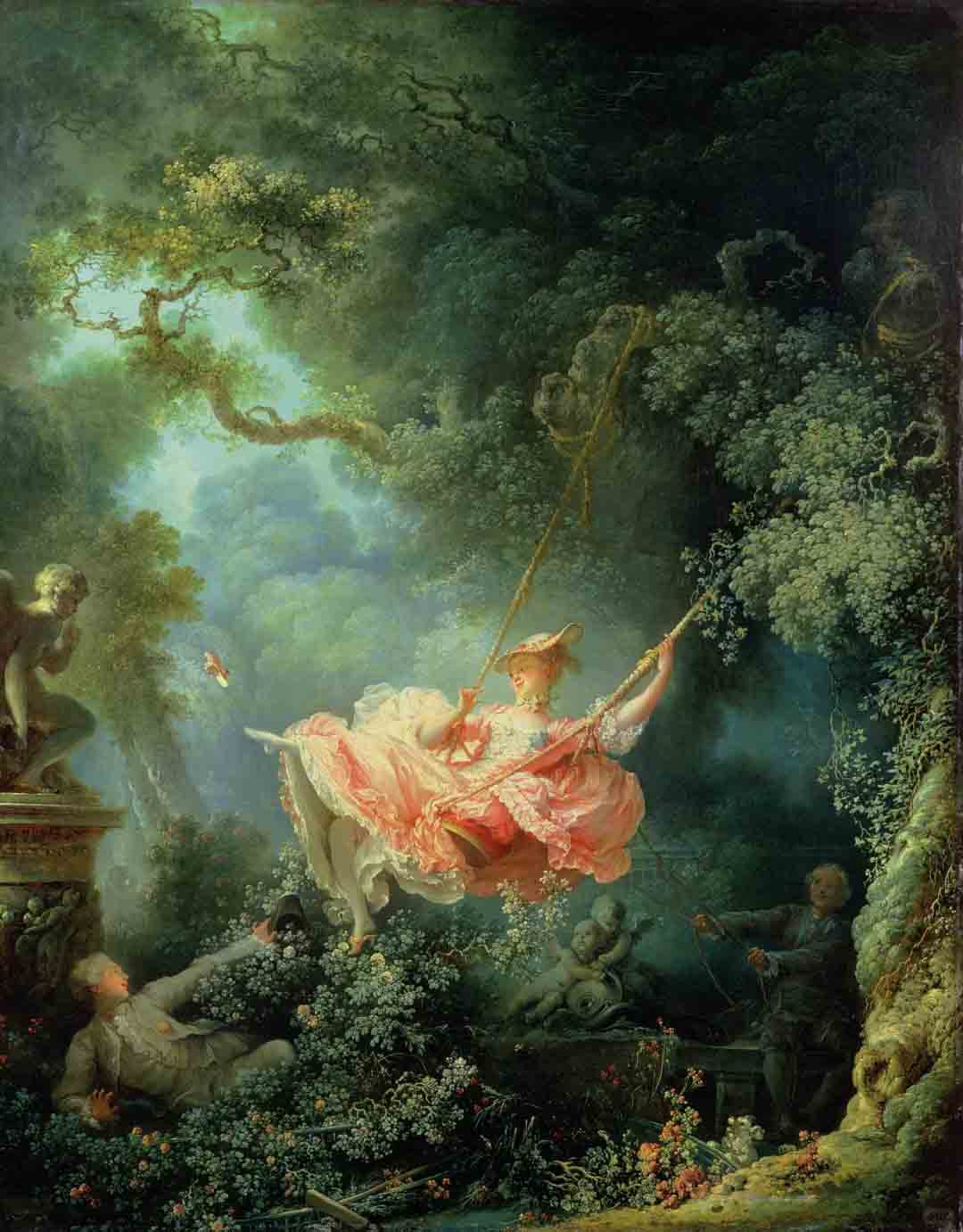
The Baroque intensified physical presence through dramatic lighting and movement. Later, Rococo painters such as Jean-Honoré Fragonard created intimate scenes for aristocratic interiors.
Displayed in salons and private chambers, these images aligned bodily display with courtly leisure and privilege. The female figure functioned within decorative and erotic frameworks tied to elite patronage.
Baroque and Rococo art expanded sensual imagery, embedding the female nude within aristocratic systems of pleasure and display.
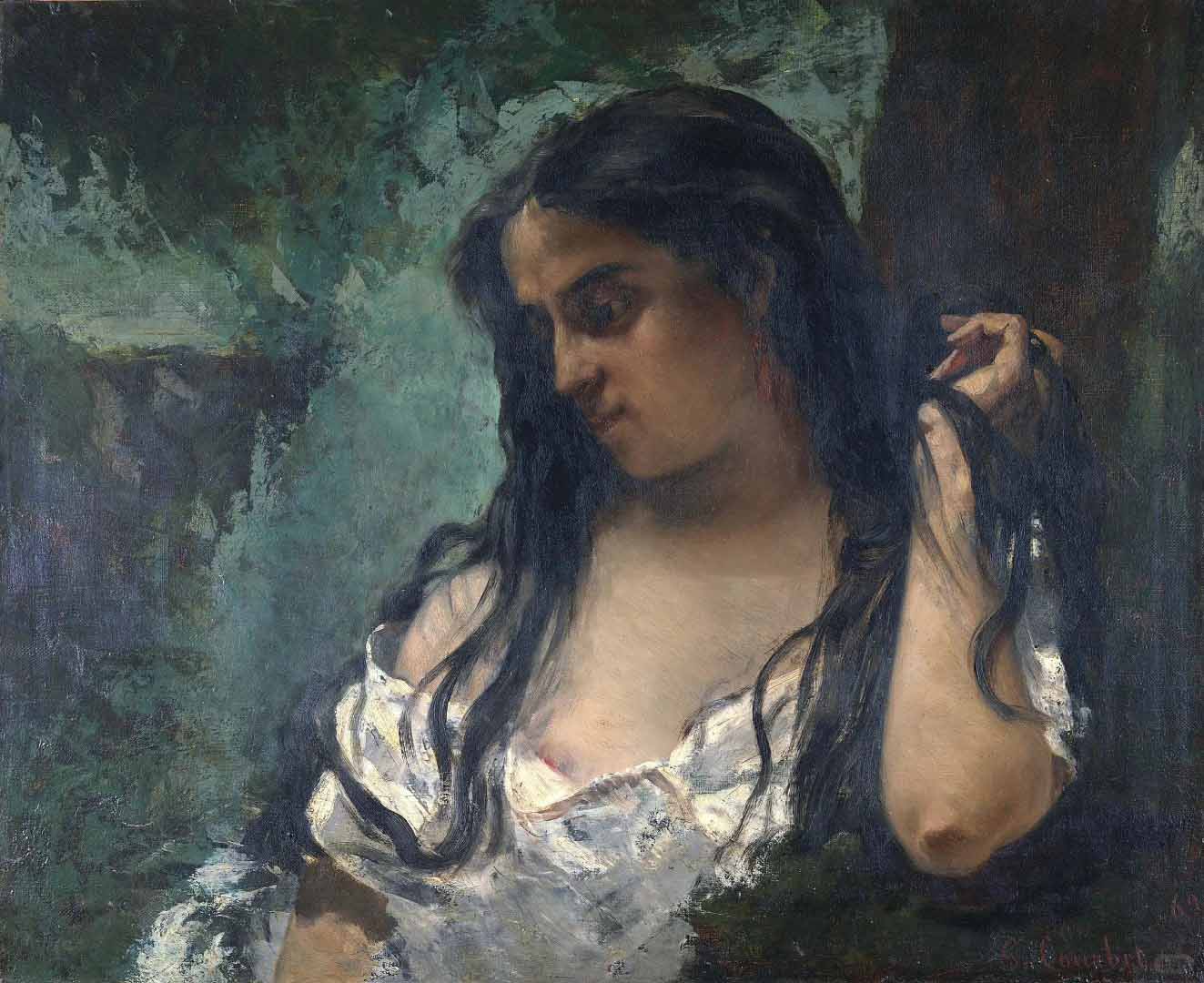
The nineteenth century introduced rupture. Artists such as Gustave Courbet and Édouard Manet removed mythological distance and presented contemporary women within modern interiors.
Industrialization and the rise of public exhibition systems, including the Paris Salon, altered reception. Visibility moved from private patronage to public scrutiny.
The nude became socially located rather than allegorical, exposing tensions between art institutions and evolving moral standards.
Realism reframed the female nude as a modern subject embedded in social reality rather than classical myth.
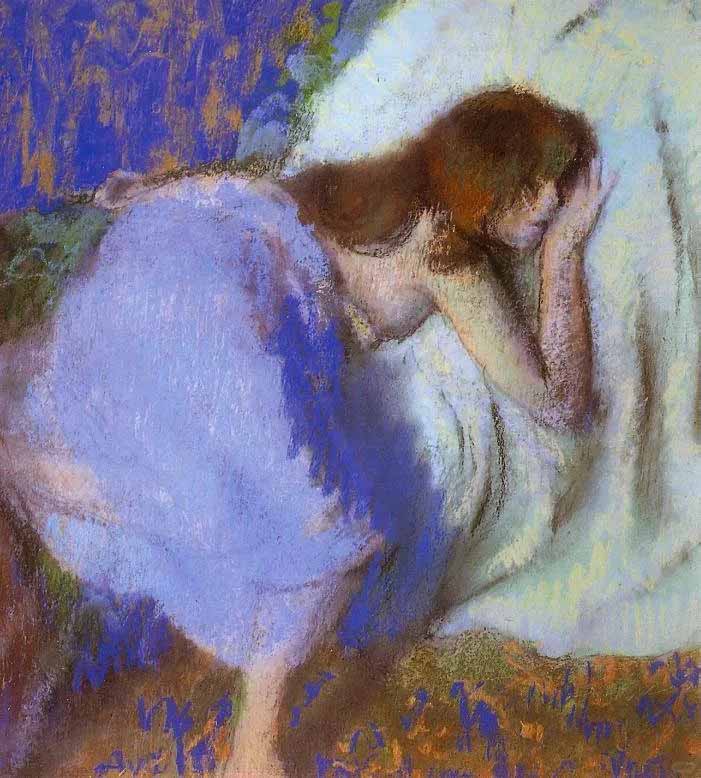
Impressionist and Post-Impressionist painters reconsidered surface and perception. Figures by Edgar Degas and Paul Cézanne abandoned academic polish in favor of structural experimentation and visible brushwork.
Photography reshaped visual culture, prompting painters to reinterpret rather than replicate anatomy. The concept of a nude painting on body shifted as artists emphasized process over illusionistic finish.
Forms became fragmented or architectonic. The female figure operated as both motif and formal problem.
Modernism transformed the nude into a site of experimentation, destabilizing inherited standards of harmony and finish.
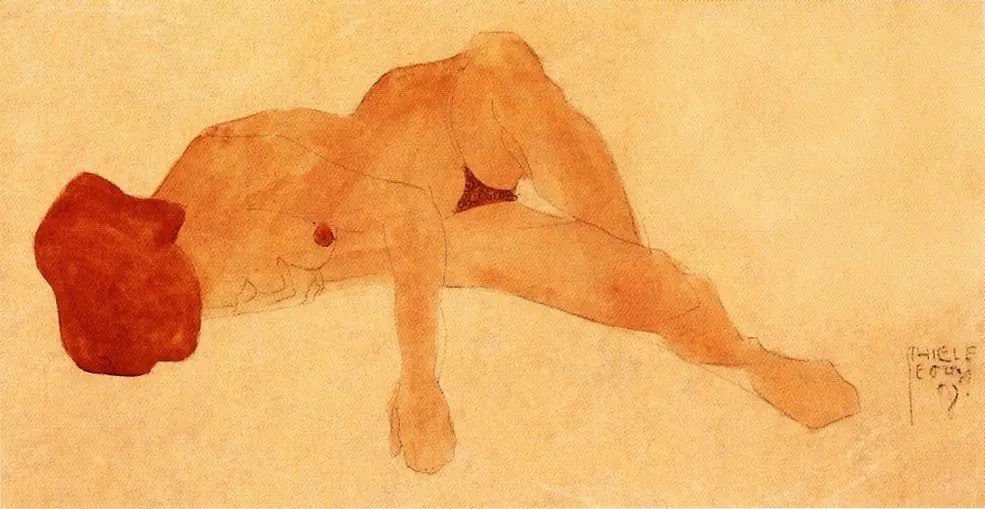
Twentieth-century Expressionists such as Egon Schiele and Otto Dix rendered bodies with angular line and exposed emotion. Flesh appeared tense, contorted, and psychologically charged.
War and urban dislocation informed these representations. The body conveyed fragility and interior conflict rather than serenity.
Expressionism redirected attention from ideal beauty to emotional and psychological intensity.
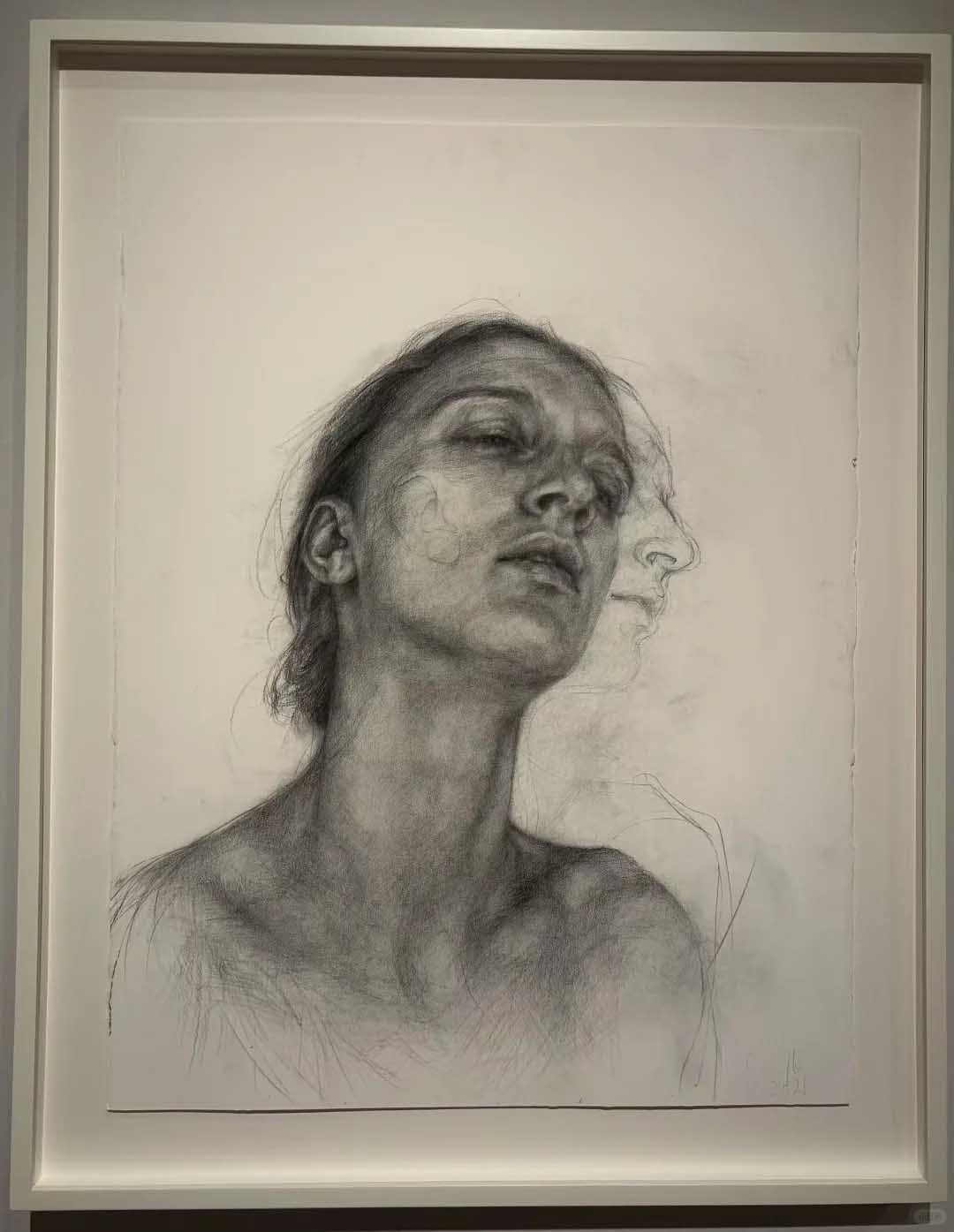
A decisive shift emerged as women artists reentered institutional visibility. Painters such as Jenny Saville and Marlene Dumas expanded scale and materiality, presenting monumental, imperfect, and aging bodies.
Feminist scholarship reframed the historical archive, examining how systems of display shaped perception. Performance and body art extended the notion of nude painting on body, integrating pigment directly onto living skin and collapsing boundaries between object and subject.
The feminist era repositioned the female nude as a self-authored presence rather than a passive construction.
Contemporary artists address race, sexuality, disability, and global identity. Bodies appear varied in scale, texture, and context. Monumental canvases emphasize weight and physicality; multimedia installations introduce digital layering and projection.
Online platforms such as Instagram alter distribution and censorship norms, transforming circulation into part of artistic meaning. The category of woman art nude now intersects with activism, digital culture, and self-curation.
The nude persists not as a fixed genre but as an evolving dialogue about embodiment and representation.
Contemporary practice situates the female nude within complex debates about identity, technology, and cultural authority.
Conventional surveys emphasize stylistic evolution while minimizing structural forces. A comprehensive account includes:
Rather than tracing linear liberation, history reveals recurring negotiation between control and reinterpretation.
A nuanced history shows that representations of the female body are shaped as much by institutions and markets as by artistic intention.
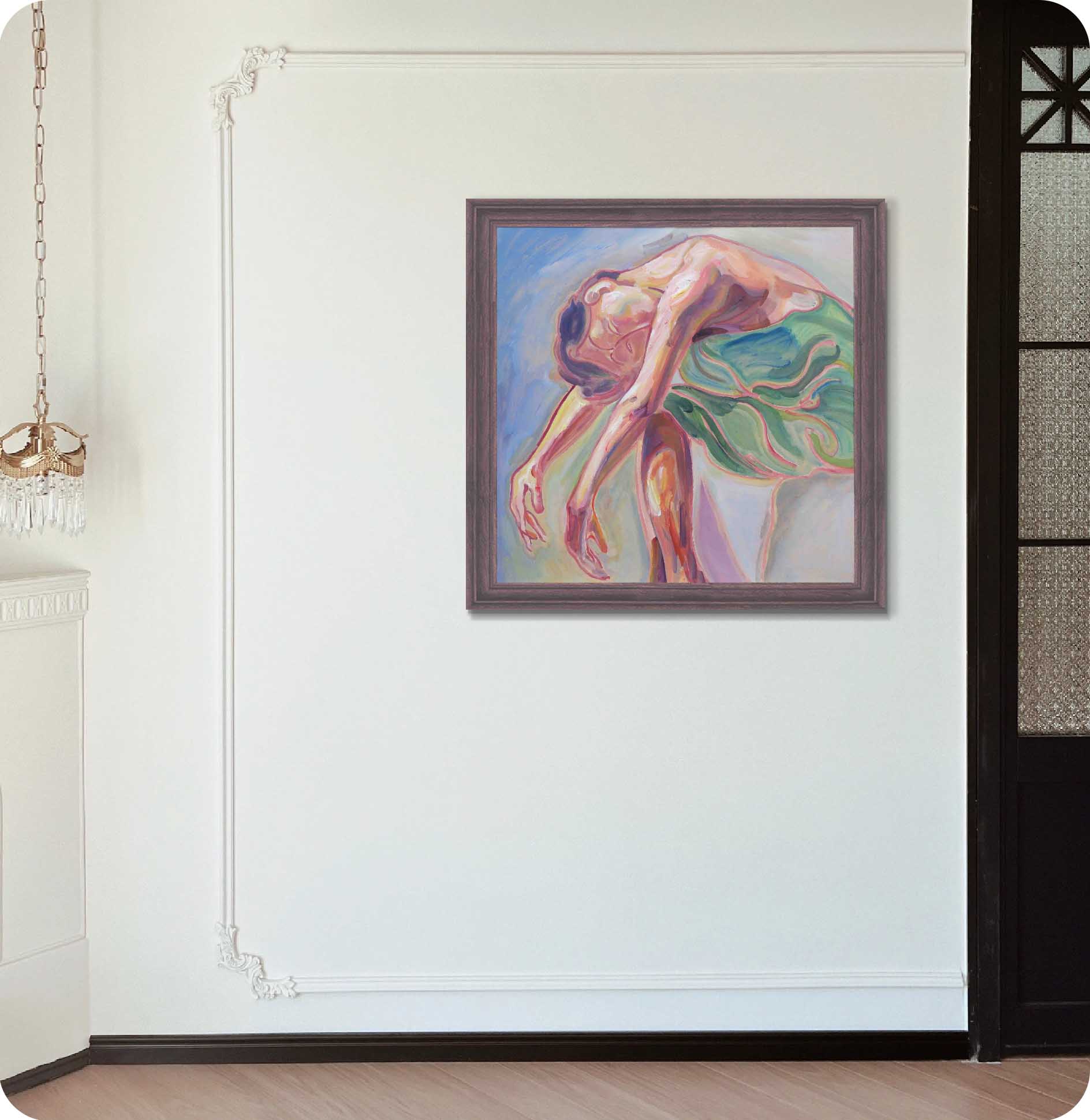
Hi, I’m Philo, a Chinese artist passionate about blending traditional Asian art with contemporary expressions. Through Artphiloso, my artist website, I share my journey and creations—from figurative painting and figure painting to floral oil painting and painting on landscape. You'll also find ideas for home decorating with paint and more.
For readers seeking a philosophically grounded engagement with the nude, artphiloso.com presents contemporary works that explore embodiment, abstraction, and visual perception. The platform approaches the female figure as a site of inquiry rather than ornament, situating each project within broader conversations about history, form, and identity. Its curated selections extend the discussion of art nudes beyond tradition into reflective contemporary practice.
Medieval institutions controlled artistic production, framing nudity within moral and theological symbolism rather than independent aesthetic inquiry.
Humanist philosophy revived classical proportion and elevated the body as a legitimate subject of study and beauty.
Modern artists situated unclothed figures in contemporary environments, challenging academic and mythological conventions.
Women artists shifted authorship and perspective, redefining scale, subjectivity, and the politics of display.
Globalization, digital media, and expanded institutional access have broadened who produces and circulates images of the body.