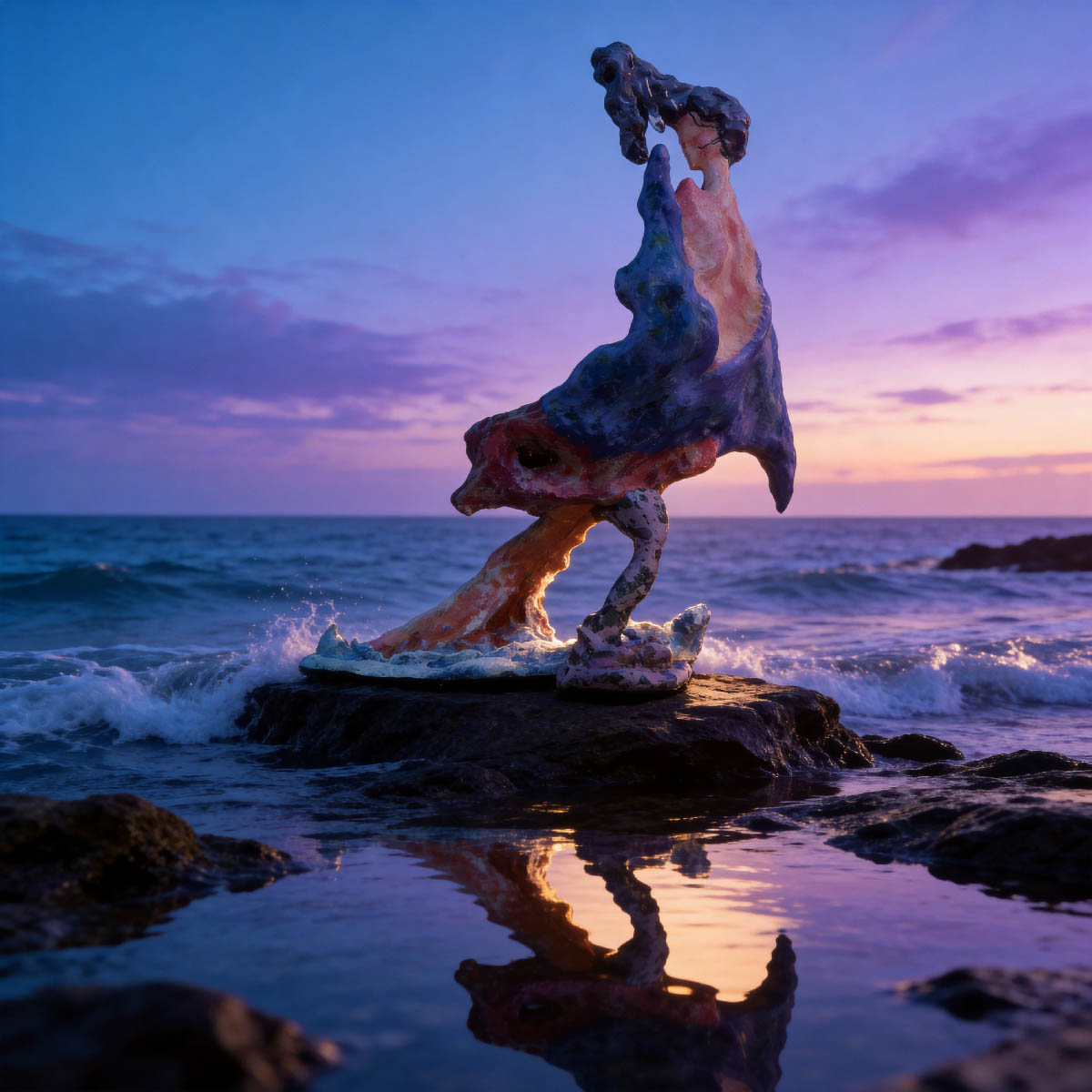
Art figures are contemporary collectible objects that merge sculpture, design, and artistic storytelling into limited-edition creations. This article explores their origins, materials, production process, and cultural value, revealing how they evolved from niche designer toys into a global collectible art movement shaped by independent artists and modern visual culture.
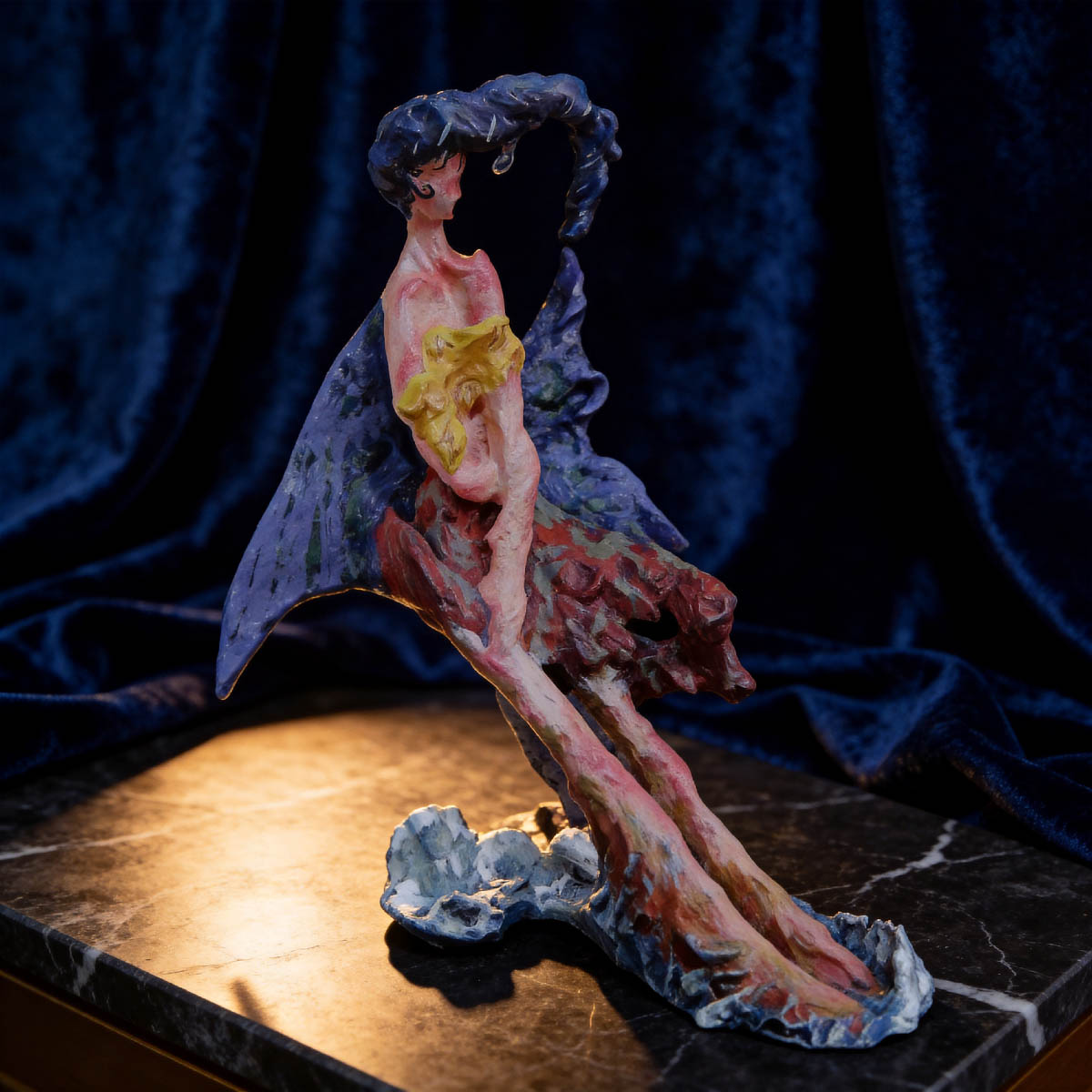
Ni-Lin is not a character. It is an emotional state turned into a physical art object Created by artist Philo, Ni-Lin transforms feelings, memory, and imagination into collectible resin figures. Each piece represents a fragment of inner experience rather than a fixed story.
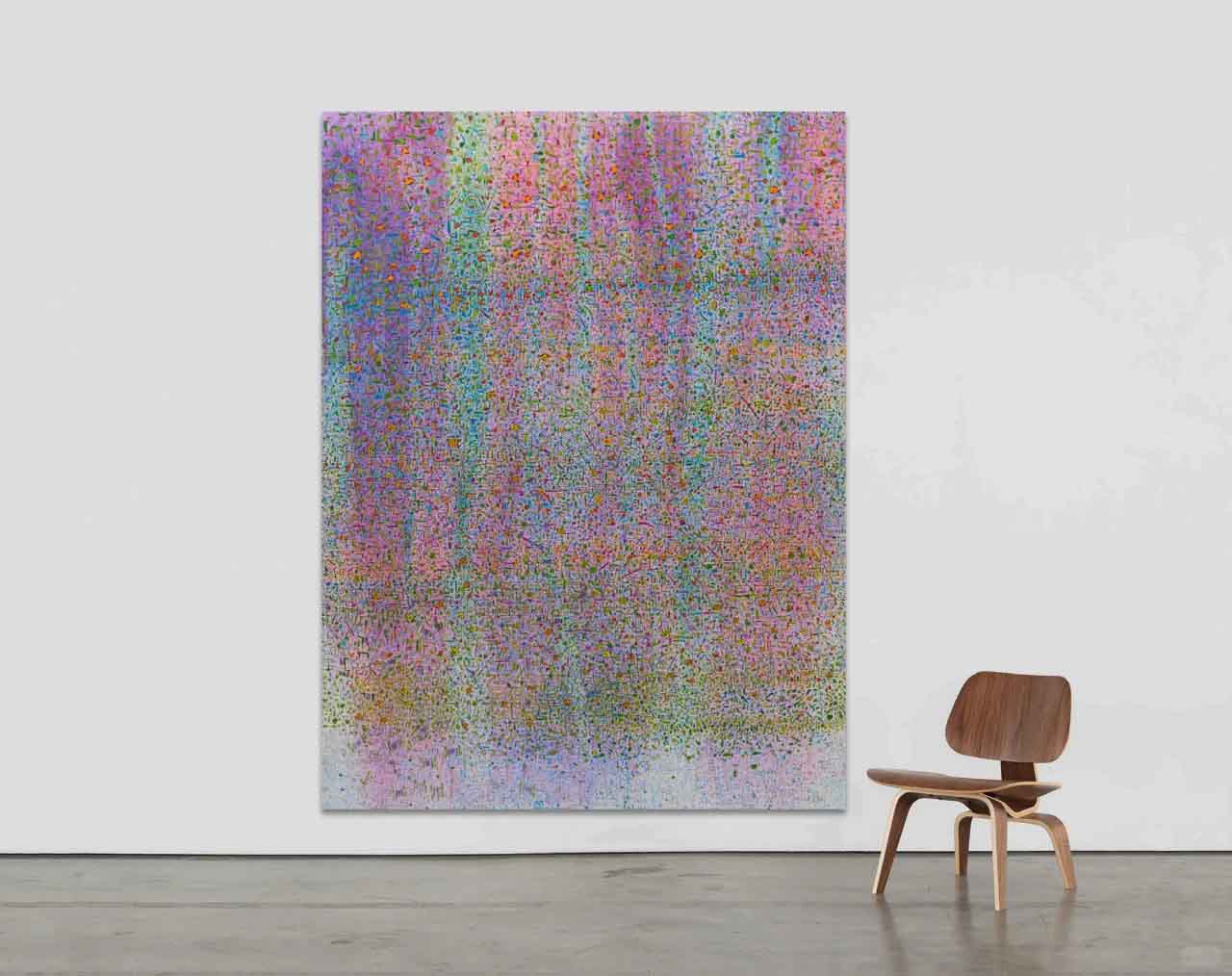
This article examines whether Chinese contemporary oil painting is a viable investment, with a focus on emerging artists, pricing dynamics, and market risks. It provides a clear, practical framework for collectors by combining market insight with actionable guidance, helping readers understand where real opportunities exist and how to approach this category with confidence.
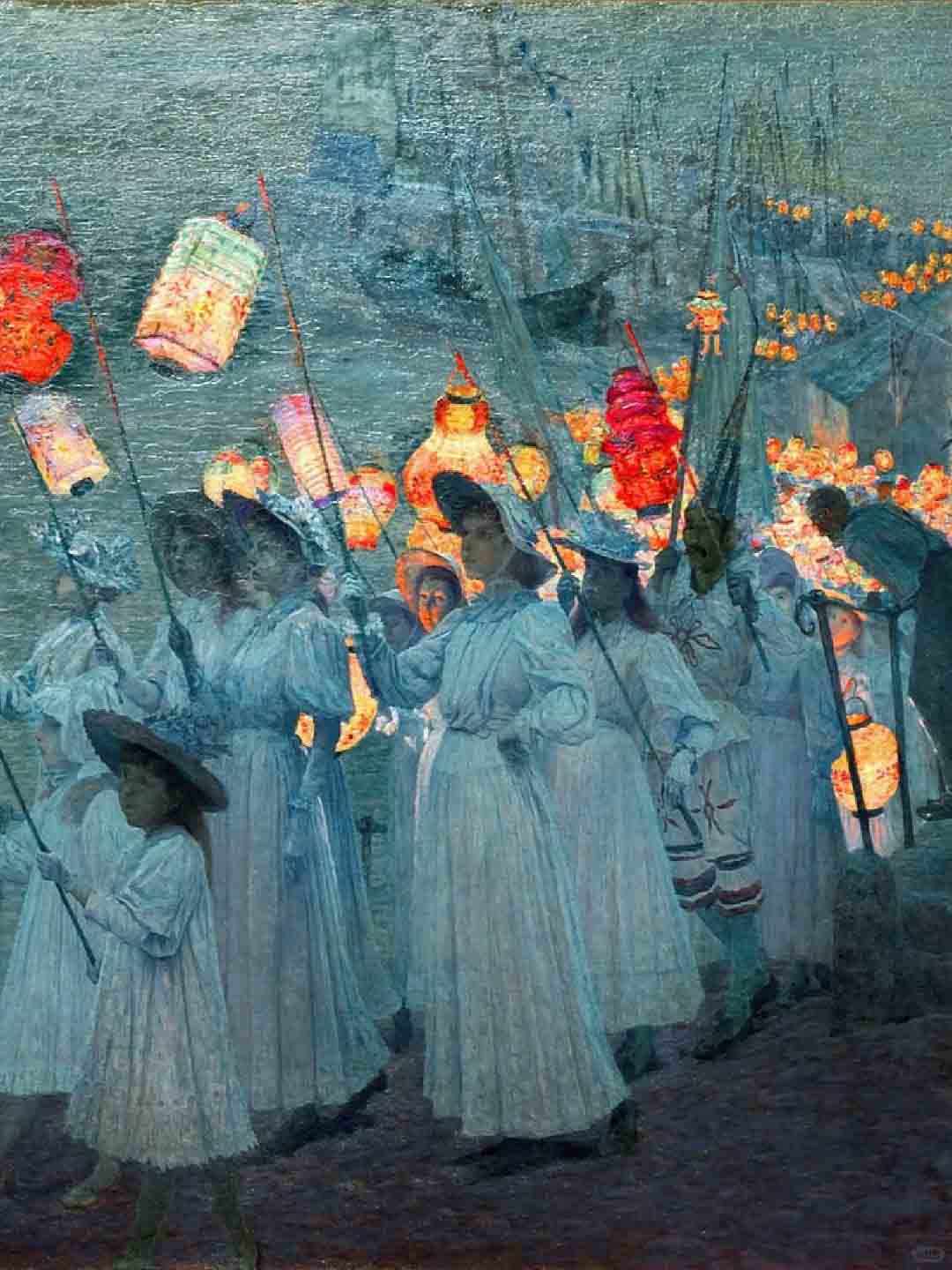
Understanding contrast is essential to understanding art. This article explains the definition of contrast in art, examines how art contrast appears in color, light, scale, and texture, and shows how these differences shape visual hierarchy and meaning within artistic composition.
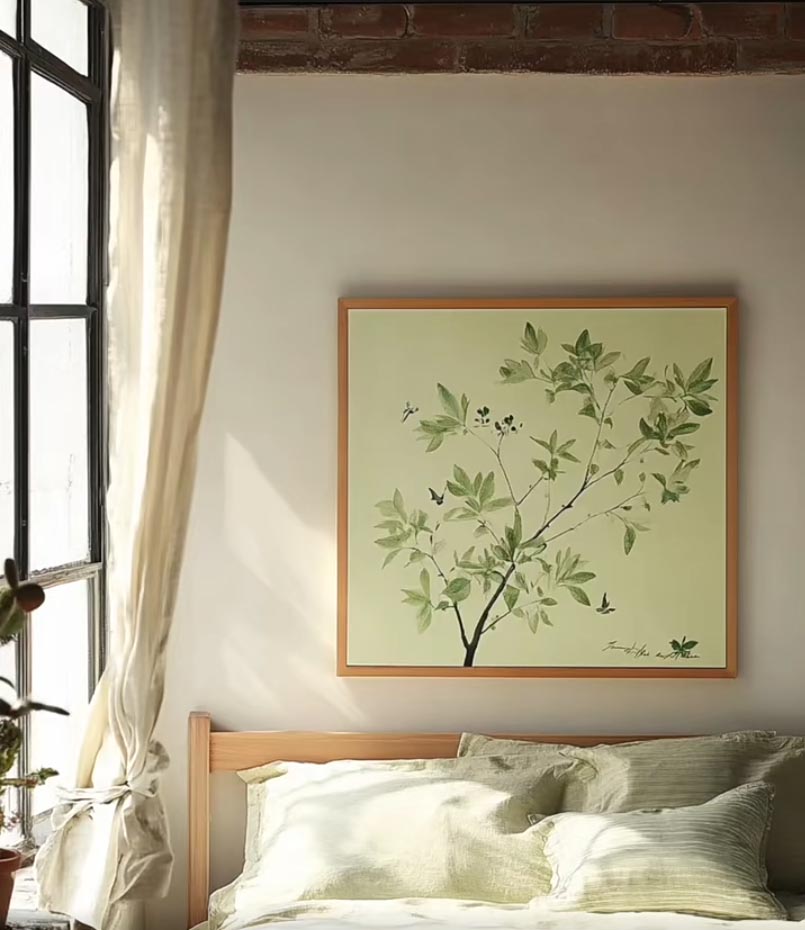
This guide explores how to choose meaningful and visually balanced art for your bedroom, from calming landscapes and abstract paintings to minimalist drawings and photography. By understanding scale, color harmony, and placement, readers can discover practical bedroom art inspiration and find thoughtful drawings to put in your room that enhance comfort, personality, and interior style.
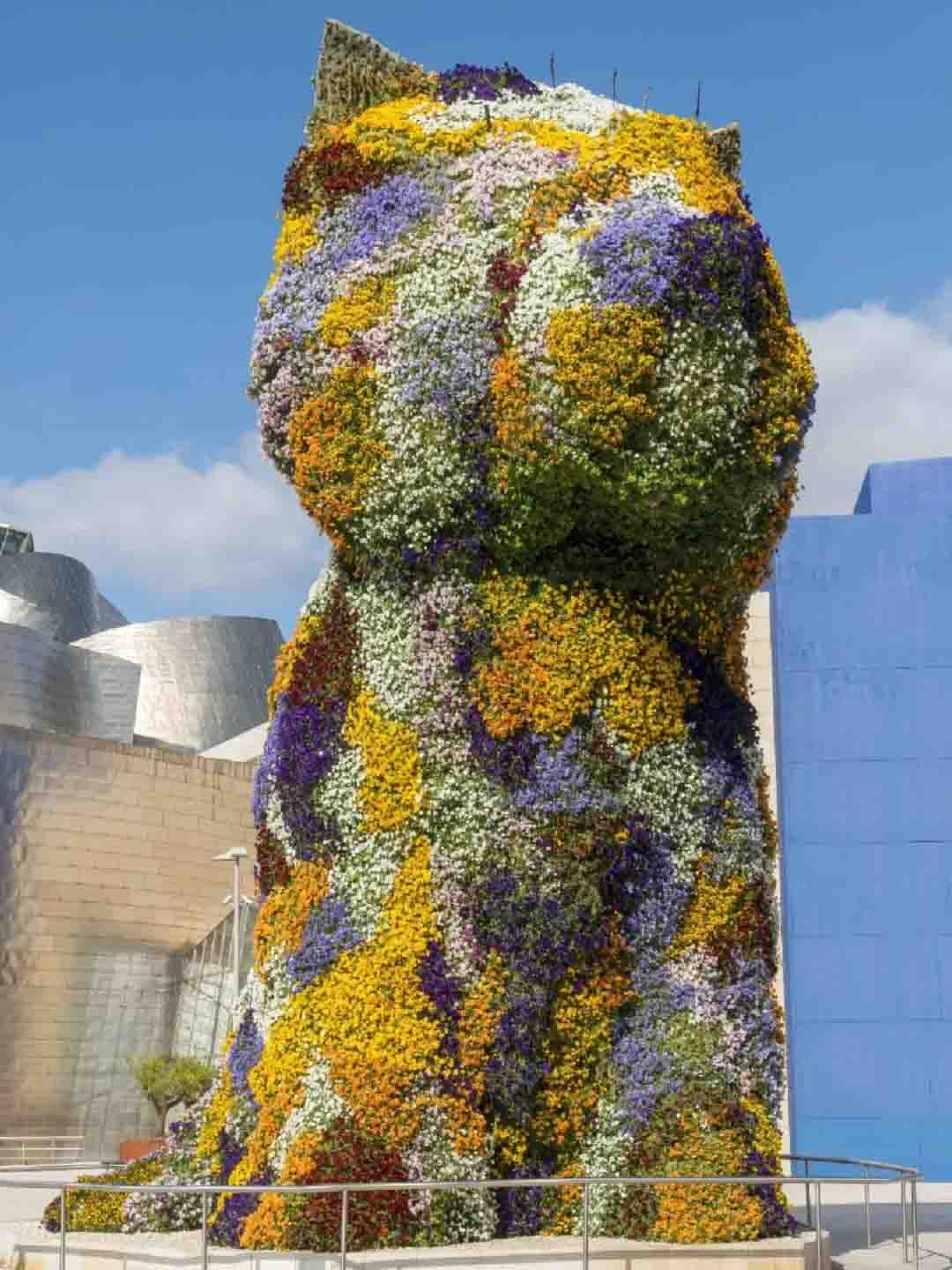
Flowers have shaped art history far beyond decoration. From Dutch oil art flowers to modern abstraction and large-scale installations, the floral motif reflects shifts in science, trade, perception, and contemporary culture. This article offers a structured, cross-disciplinary view of paintings of flowers and the evolution of the abstract of flowers, helping readers understand why this subject remains central to both traditional and modern art practice.
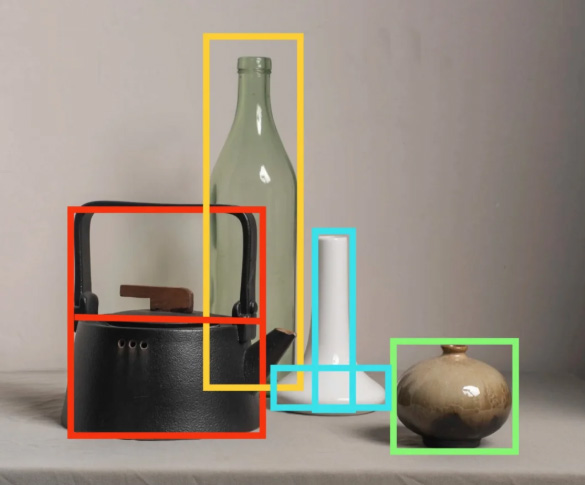
Proportion is one of the most fundamental yet misunderstood principles in visual art. This article explains what does proportion mean, clarifies the art definition for proportion, and explores how proportions meaning shifts across classical theory, cultural systems, architecture, psychology, and contemporary practice. By moving beyond the Golden Ratio myth, it offers a clearer and more comprehensive understanding of what is proportionate in both traditional and modern visual language.
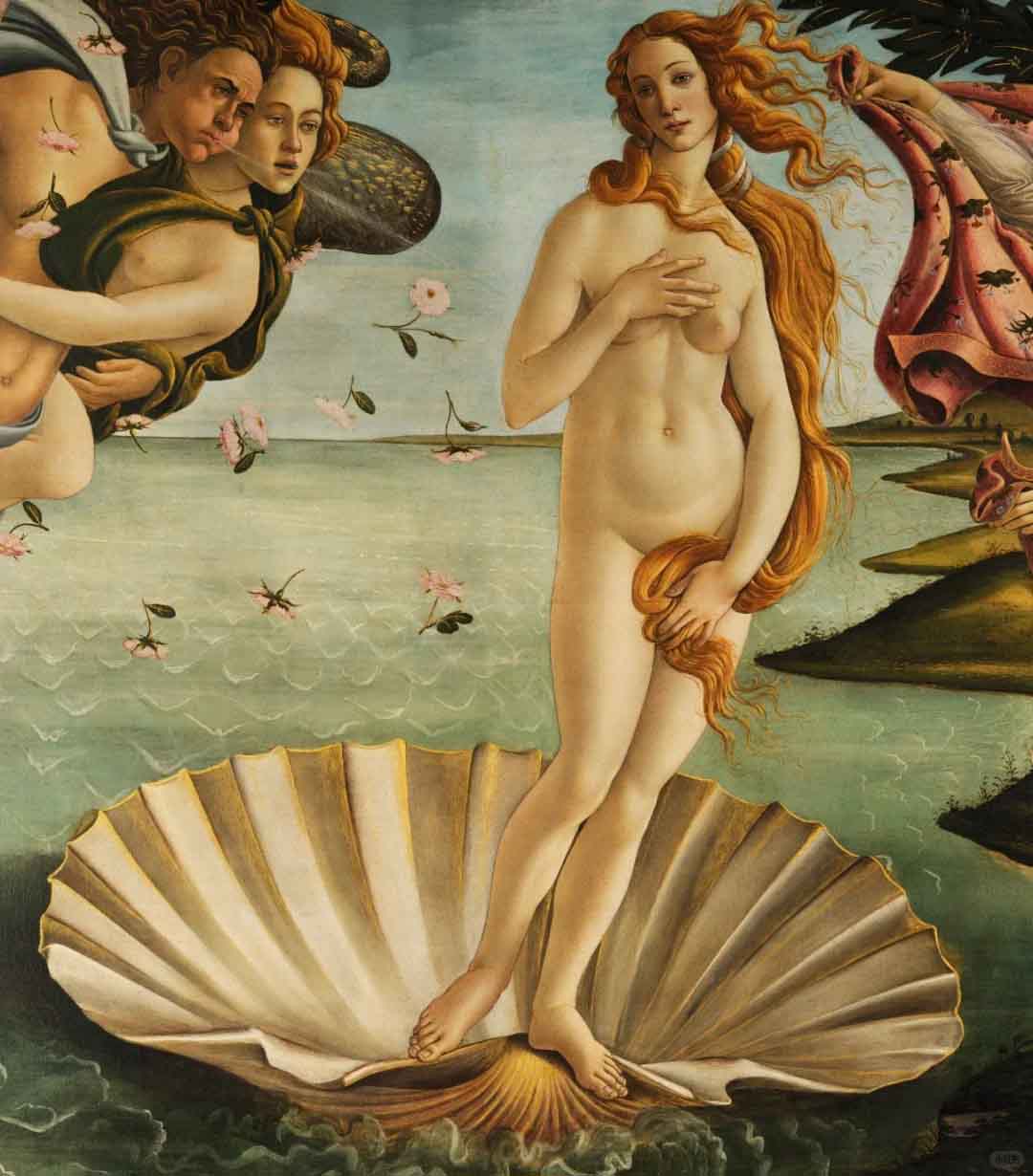
The representation of the female body has never been neutral. From sacred symbolism to modern self-authorship, the history of female nudes reveals how art reflects systems of power, patronage, gender politics, and visual control. This article reexamines famous nude art beyond stylistic change, tracing how art nudes evolved from religious allegory to contemporary expressions of agency, identity, and cultural negotiation. By expanding the traditional narrative, it offers a clearer understanding of how the female form has been constructed, challenged, and redefined across centuries.
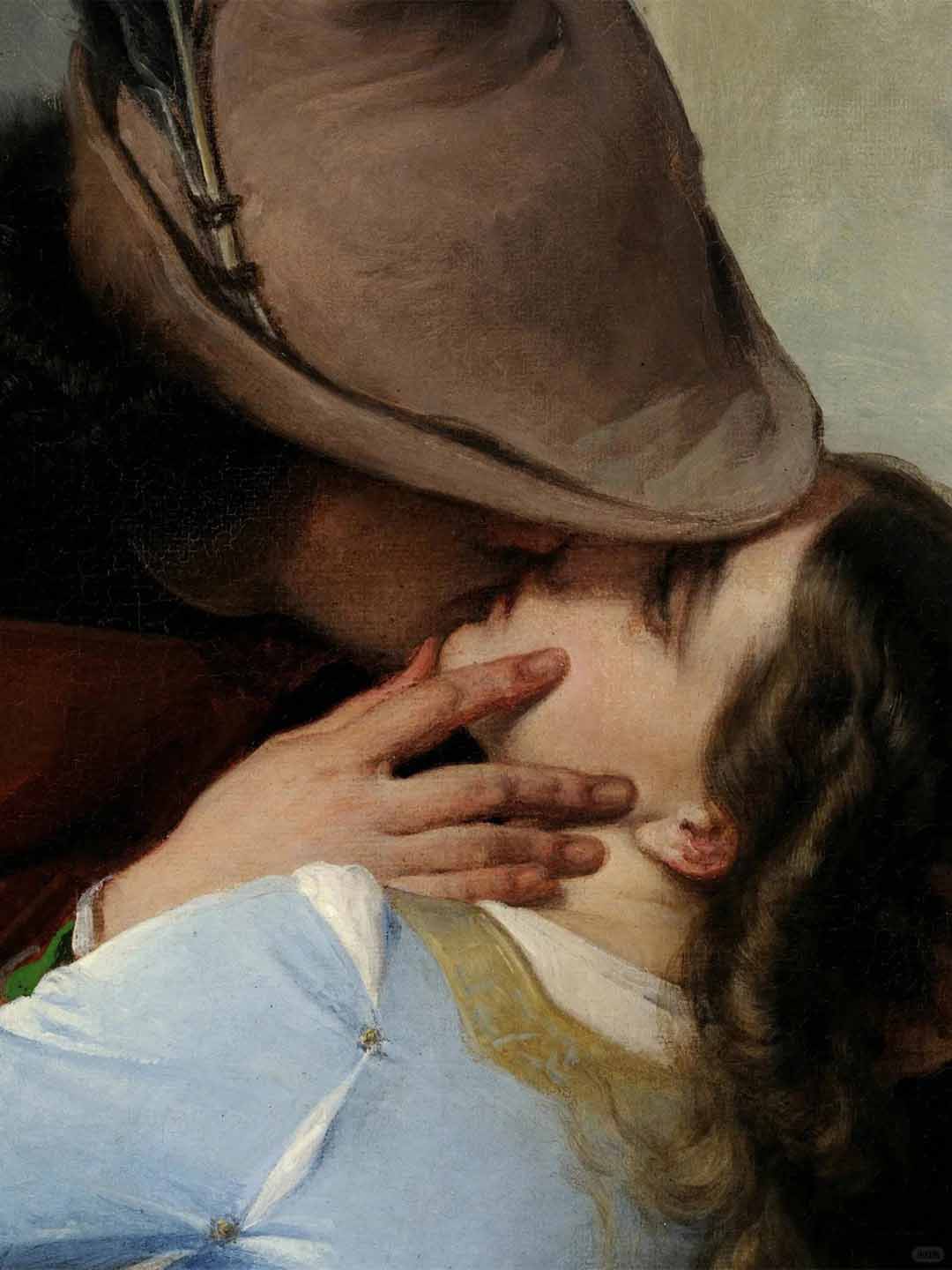
Love has been one of the most enduring subjects in art history, yet many discussions of paintings romance remain limited to a narrow group of iconic European works. This article expands the conversation by examining art paintings of love through political symbolism, psychological realism, autobiography, media influence, and global traditions. By moving beyond familiar famous paintings about love, it offers a clearer and more comprehensive understanding of how paintings of lovers reflect identity, power, and cultural change across time.
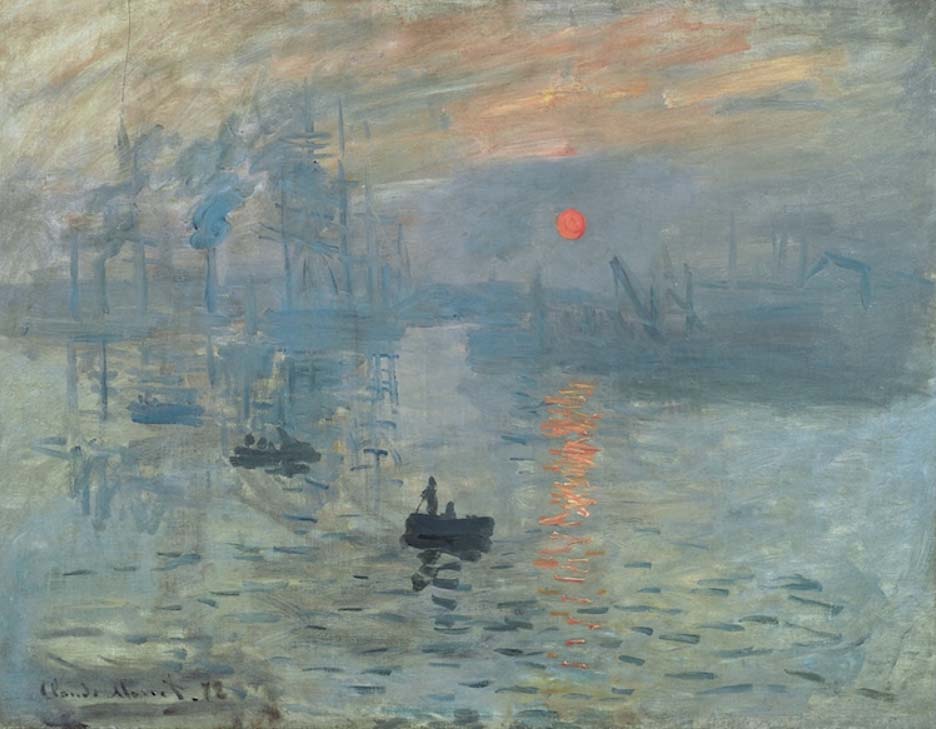
Landscape painting has never been only about depicting beautiful scenery. From early philosophical traditions to contemporary visual experimentation, landscape painting reflects how artists understand nature, space, and human presence across time. This article offers a clear and concise historical overview of landscape painting, tracing its transformation from spiritual expression to modern visual language. By examining key movements, ideas, and artistic shifts, it provides readers with a practical framework for understanding how nature paintings, scenery paintings, and oil painting of a landscape continue to shape visual culture today.