This article offers a clear and contemporary answer to the question “What is drawing?” by examining drawing as both a visual language and a conceptual practice. It explores historical foundations, materials, line, abstraction, and digital approaches, providing artists, students, and collectors with a practical definition of drawing and a deeper understanding of why it remains essential in contemporary art.
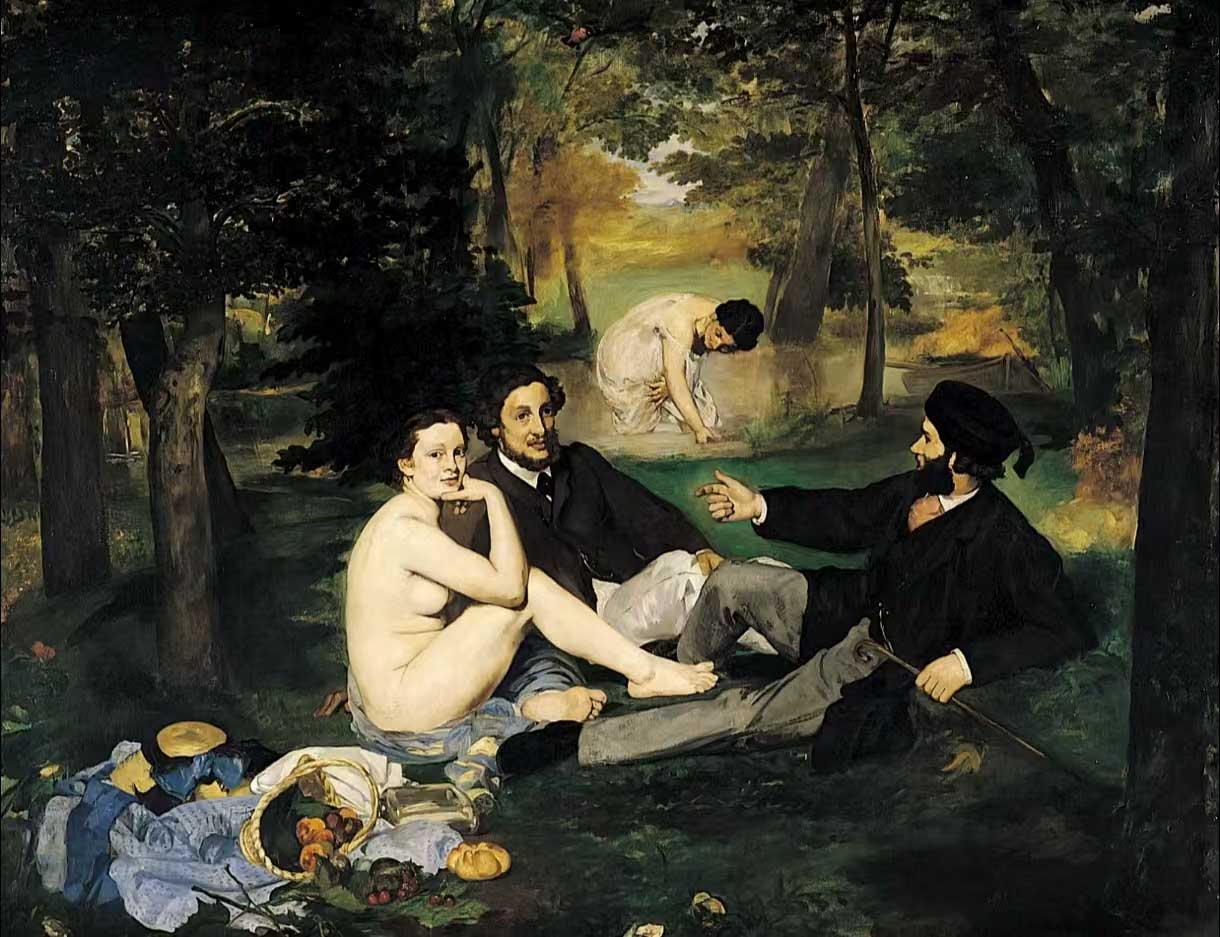
This article examines value as a fundamental element of art, exploring its definition, perceptual function, and contemporary applications across visual media. By analyzing how tonal relationships shape form, space, attention, and emotional atmosphere, it demonstrates that value operates not only as a technical tool but as a primary visual language connecting structure, perception, and meaning.
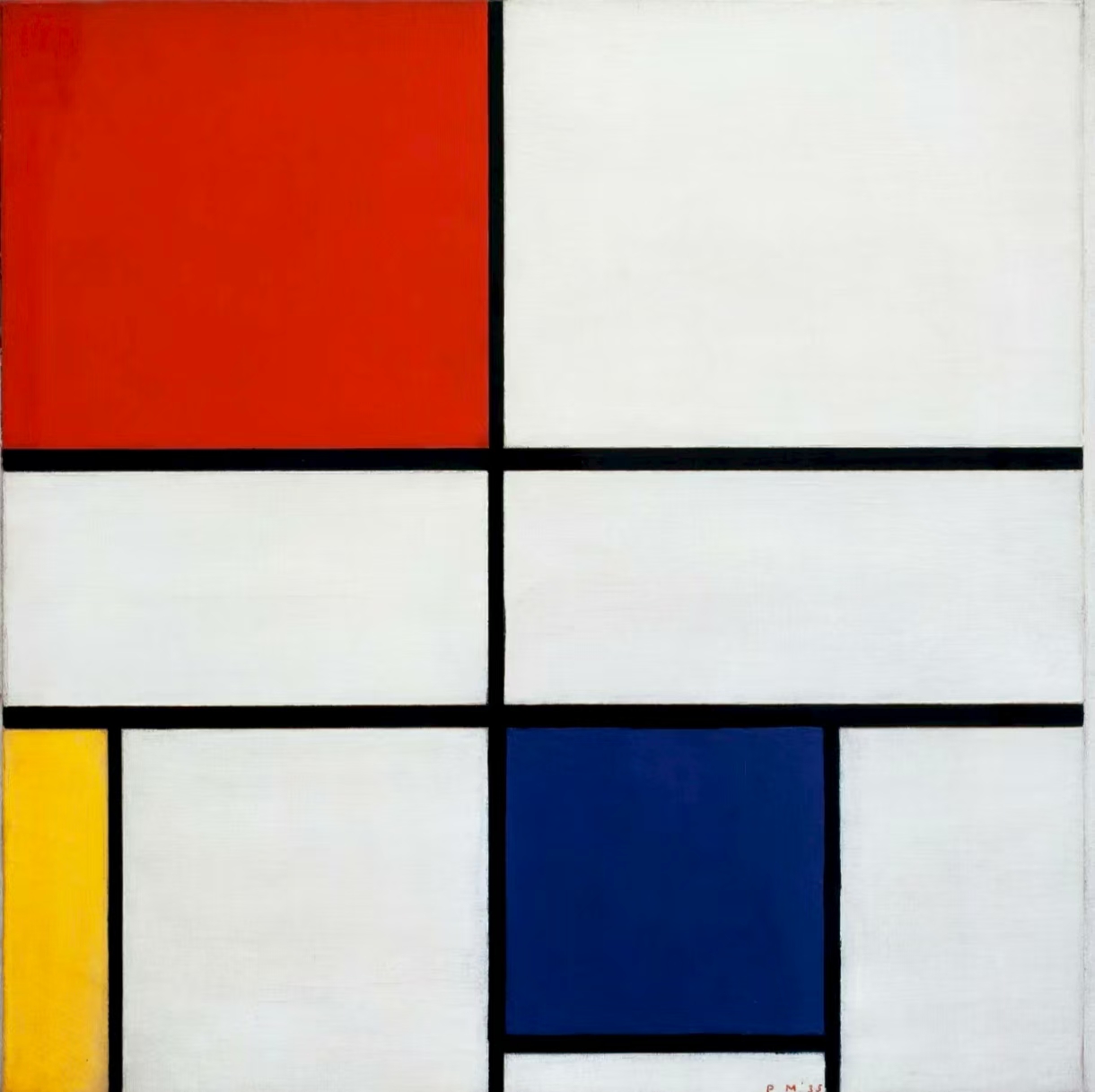
This article explores ten essential approaches to abstract art drawing, moving beyond visual description toward material, historical, and conceptual analysis. By examining line, gesture, system, material, and spatial thinking through key artistic practices, it positions abstract drawing as an autonomous and evolving mode of inquiry—one where form, process, and meaning converge.
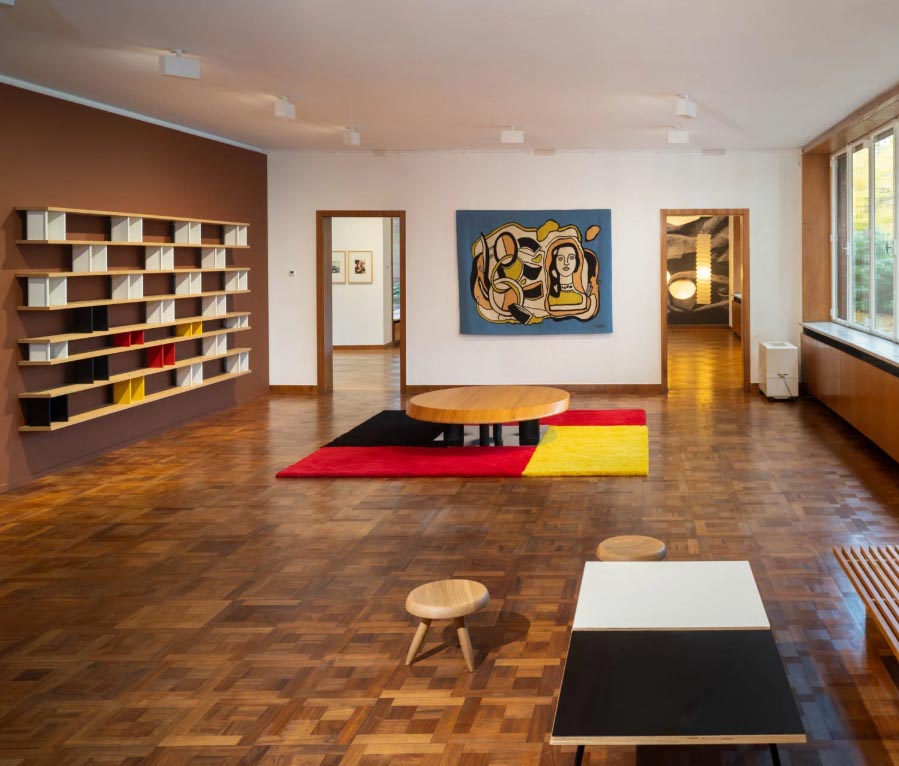
Large living room walls are often the hardest to decorate well. This guide breaks down large wall decor ideas for living rooms with a focus on scale, proportion, texture, lighting, and long-term balance. Instead of trend-driven solutions, it offers practical design principles for decorating a large living room wall in a way that feels intentional, cohesive, and built to last.
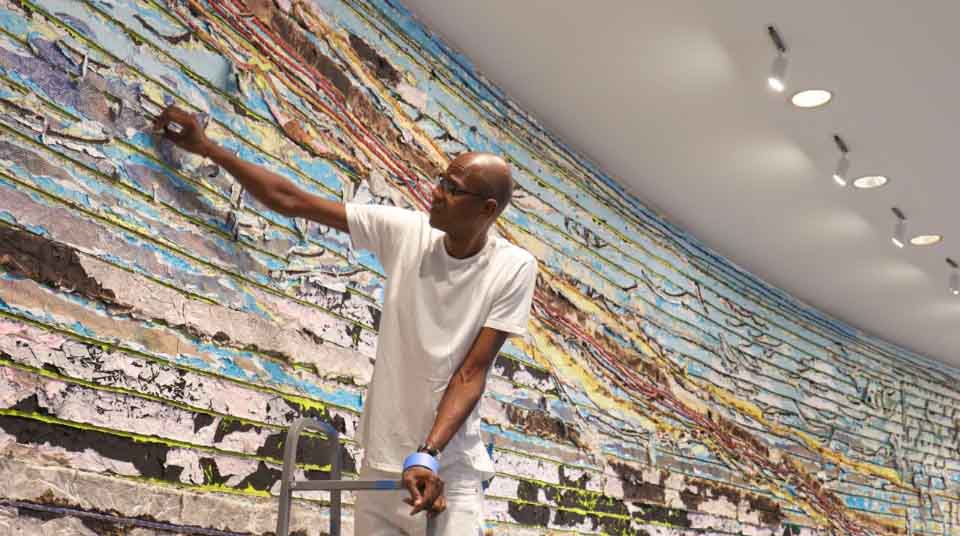
Acrylic painting has become one of the most widely adopted mediums in contemporary art due to its adaptability, durability, and capacity for visual precision. This article examines eight artists to clarify how contemporary acrylic paintings function conceptually, materially, and culturally.
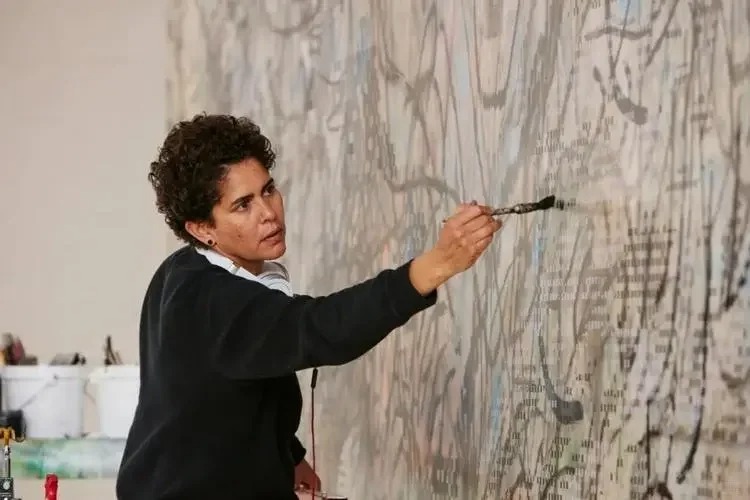
This article examines how abstract artists of the 21st century are reshaping contemporary art beyond market value and stylistic labels. By focusing on influence, methodology, and public engagement, it explores why certain famous abstract artists continue to define popular abstract art today. Rather than ranking fame, the essay offers a critical framework for understanding what truly makes these famous 21st century artists relevant in a global, evolving cultural landscape.
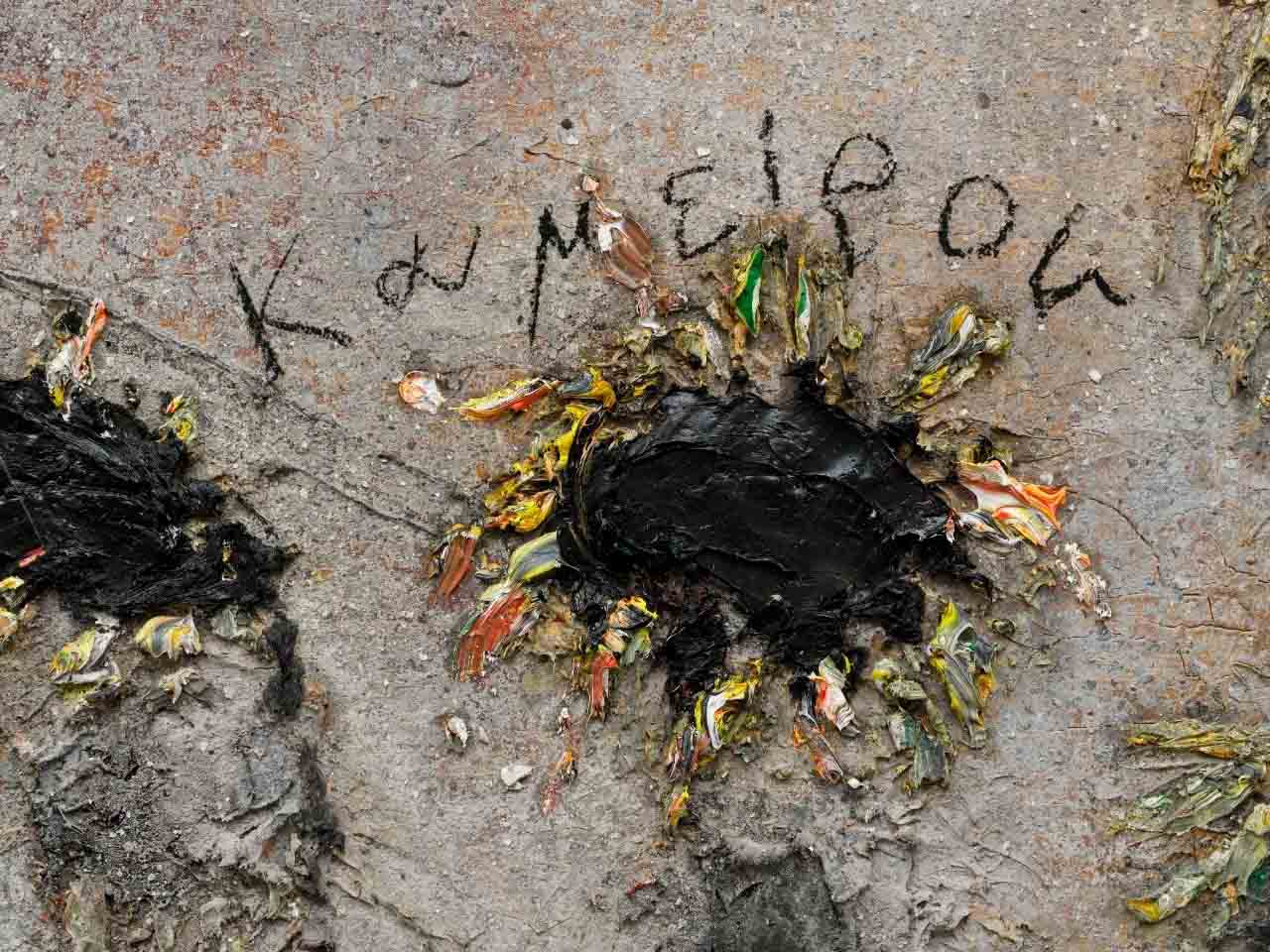
Texture is often the most overlooked element in abstract art, yet it plays a decisive role in how meaning, space, and emotion are formed. This article examines texture not as a surface effect, but as a structural and conceptual language within abstraction. By exploring material choices, abstract paint textures, spatial construction, and viewer perception, it offers a clearer framework for understanding how texture shapes both the making and the experience of abstract art.
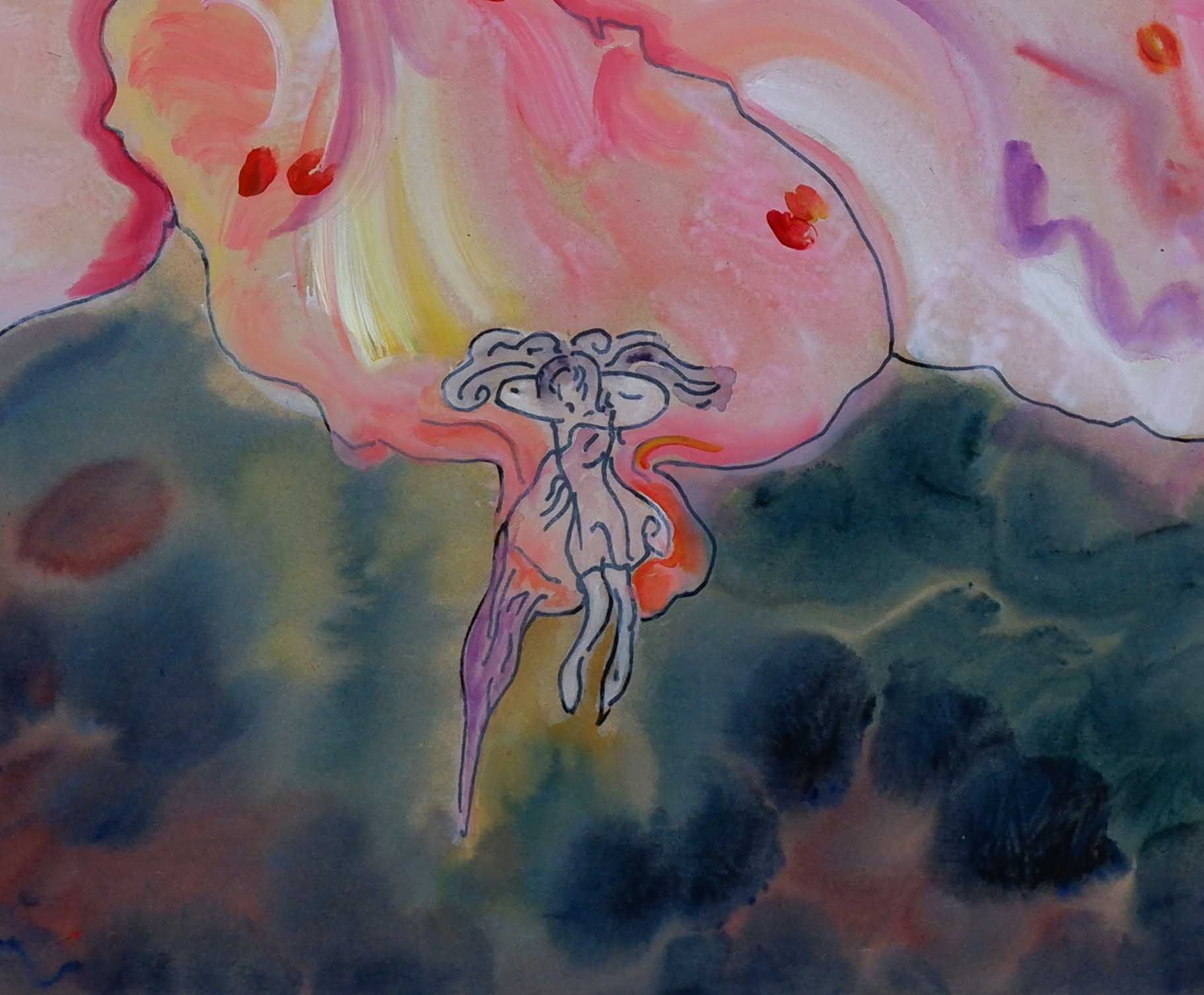
This article reexamines modern abstraction as a spiritual rather than purely rational project. From Hilma af Klint’s mediumistic paintings to the theosophical grids of Kandinsky and Mondrian, it reveals how occult belief, institutional erasure, and canon formation shaped the true origins of abstract art.

In today’s digital world, our identities are no longer shaped only by our physical bodies but also by how we appear and perform online. This article explores how Post-Internet artists reveal the pressures, illusions, and surveillance built into everyday digital life. Through social media performances, hyper-real CGI bodies, and strategies to hide from algorithms, these artists show how the internet turns identity into something we constantly edit, display, and negotiate. Their work helps us understand what it means to be visible, watched, and endlessly performing in the age of digital networks.
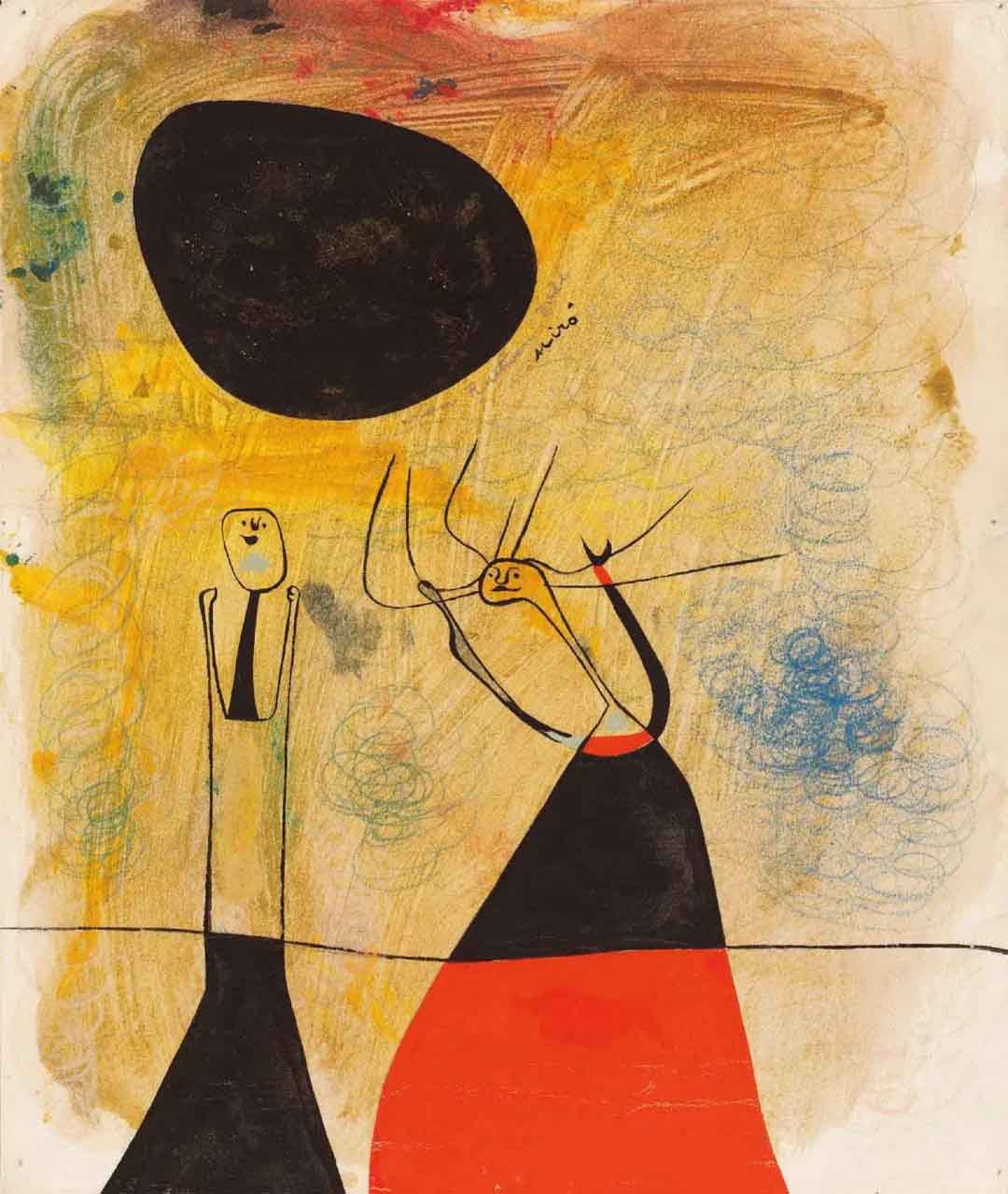
Abstract art has long offered artists a language beyond literal depiction, allowing the figure of the woman to move from representation into symbolism, gesture, memory, and structure. In the history of modern and contemporary art, the abstract painting of a woman often communicates cultural assumptions and emotional frameworks rather than physical likeness. Many overviews of famous woman painting prioritize recognition over reflection, presenting canonical works without examining how abstraction reshapes female presence. This article follows a familiar survey format while correcting its limitations by expanding authorship, cultural scope, and conceptual depth.