Acrylic painting has become one of the most widely adopted mediums in contemporary art due to its adaptability, durability, and capacity for visual precision. In recent decades, many famous artists nowadays have relied on acrylics to address cultural identity, abstraction, urban experience, and figurative revision. Rather than presenting an extended inventory, a focused selection makes it possible to understand why certain famous acrylic paintings continue to shape critical and public conversations.
This article examines eight artists to clarify how contemporary acrylic paintings function conceptually, materially, and culturally.
Acrylic paint occupies a position between tradition and innovation. Its fast drying time allows for continuous layering, while its chemical stability supports long-term conservation in both private and institutional collections.
Acrylic painting now operates as a medium of intention rather than convenience. Unlike earlier perceptions that framed acrylic as secondary to oil, contemporary practice treats it as a primary system for abstraction, refined figuration, and mixed-media experimentation.
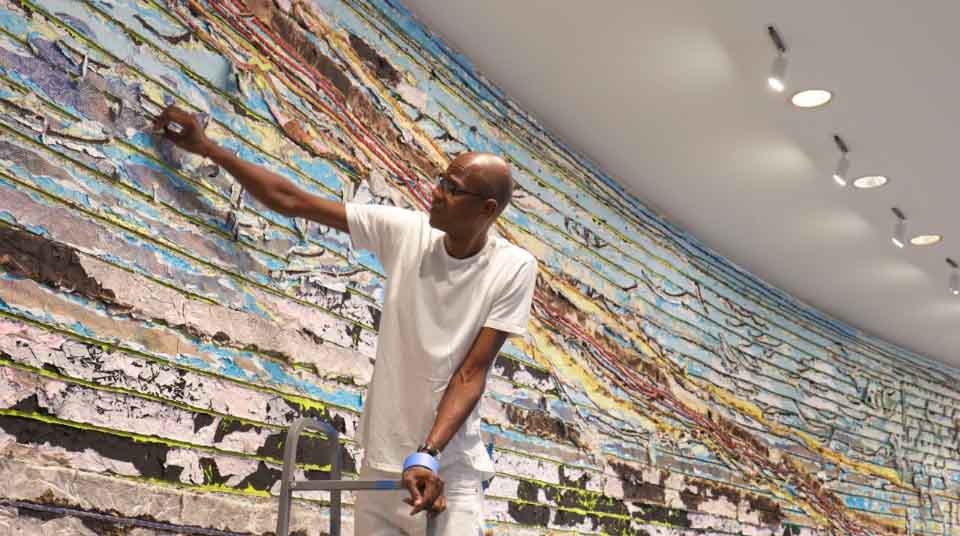
Mark Bradford’s acrylic-based works combine abstraction with social mapping. His surfaces often resemble weathered urban walls, built through accumulated layers that reference signage, migration, and historical omission.
His acrylic paintings transform material density into social structure. Acrylic’s binding strength allows Bradford to sustain heavy layering without compromising surface cohesion. His work is held by institutions including The Museum of Modern Art, reinforcing its long-term relevance.
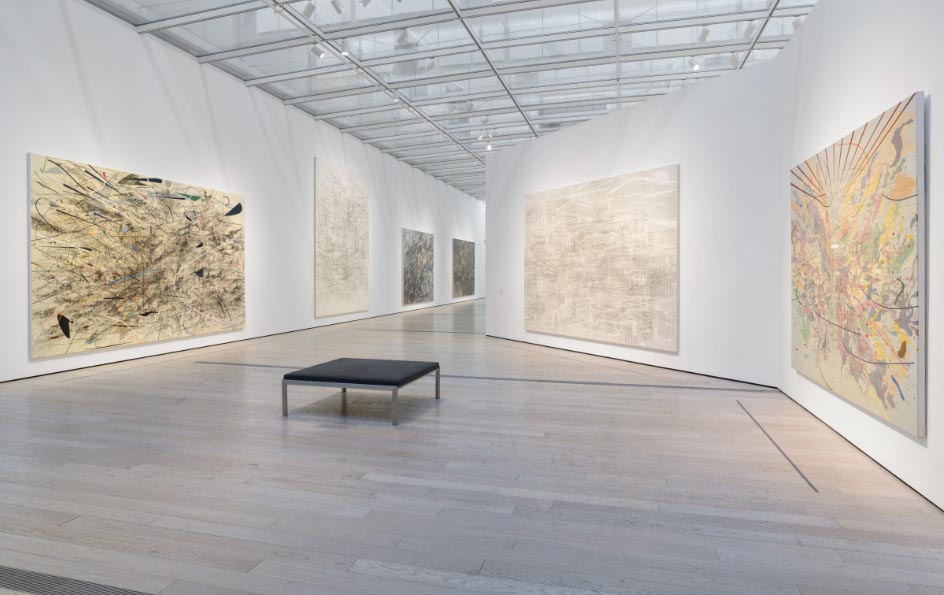
Julie Mehretu constructs expansive acrylic compositions that merge architectural drawing with gestural abstraction. Her paintings suggest cities under constant revision rather than fixed locations.
Acrylic enables precision while preserving visual velocity. The medium supports complex stratification without muddying color or line, a key factor in Mehretu’s large-scale works exhibited at major international museums.
Kehinde Wiley employs acrylic to reinterpret classical portrait traditions using contemporary subjects. The medium allows for controlled realism paired with highly saturated decorative backgrounds.
His acrylic portraits recalibrate historical visibility through material clarity. The sharp edges and chromatic stability of acrylic reinforce Wiley’s visual dialogue between tradition and modern identity.

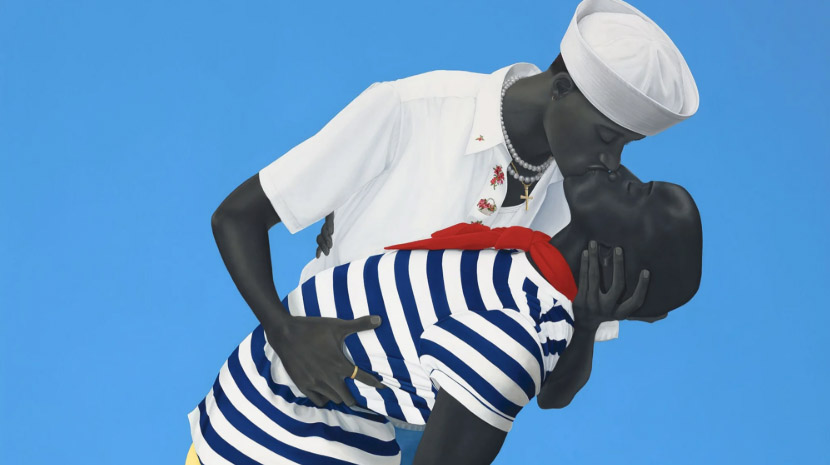
Amy Sherald’s acrylic portraits are defined by restrained chromatic choices and deliberate compositional stillness. Her figures appear detached from narrative excess, emphasizing presence over expression.
Acrylic supports Sherald’s disciplined layering and tonal restraint. Flat color fields remain stable, reinforcing psychological distance and structural calm.
Yayoi Kusama’s acrylic paintings rely on repetition as a formal system rather than ornamentation. Uniform application and saturated hues create immersive visual fields.
Repetition functions as structure, not decoration, in her acrylic work. Acrylic’s consistency enables Kusama to maintain chromatic precision across large surfaces, supporting her long-standing conceptual framework.

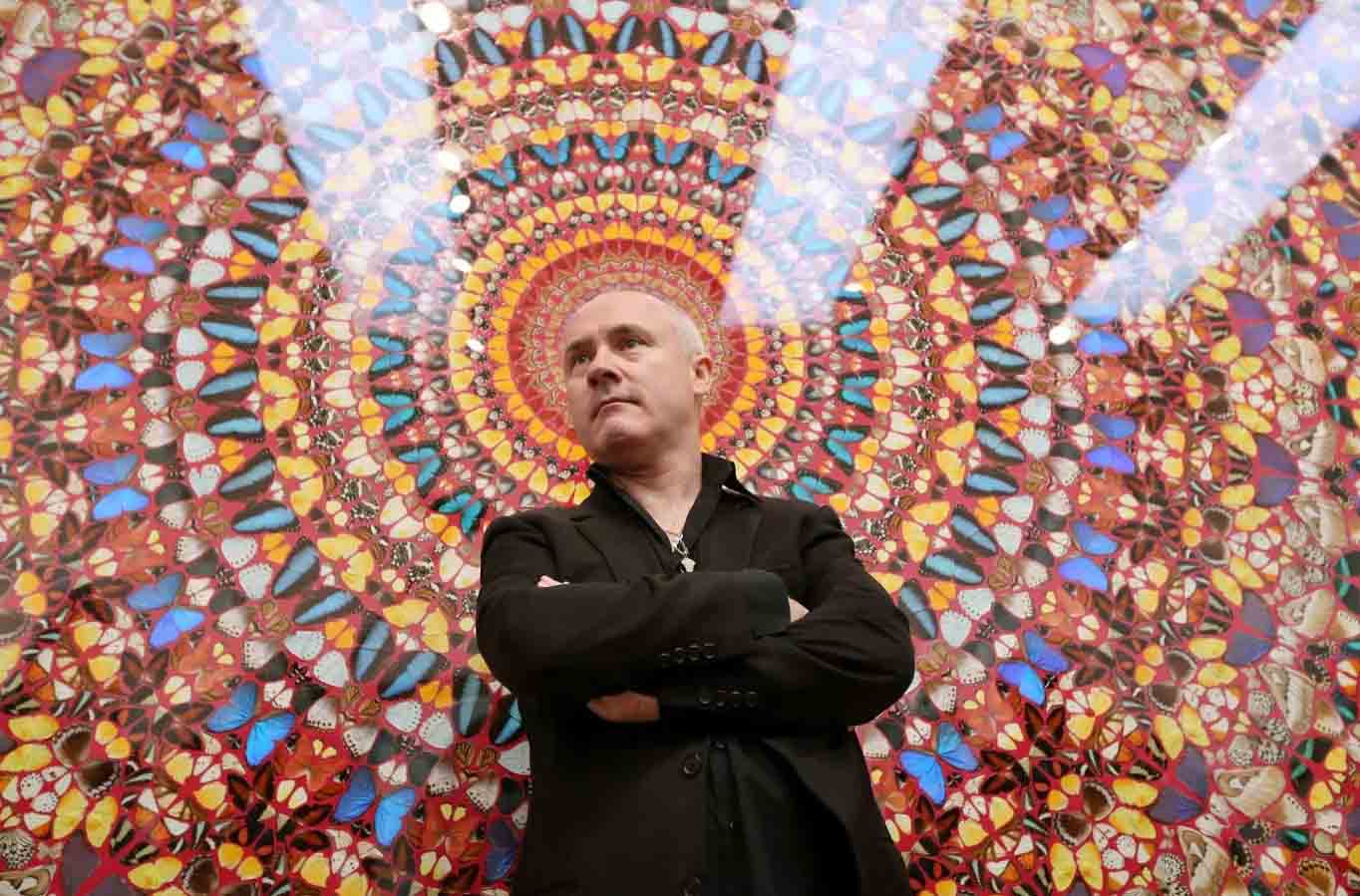
Damien Hirst’s acrylic spin paintings emphasize process over composition. Pigment distribution is guided by centrifugal motion rather than direct gesture.
Acrylic acts as both material and recorded event. Its viscosity and drying speed preserve movement as fixed form, aligning material behavior with conceptual intent.
While survey-style articles often prioritize quantity, this selection emphasizes structural and conceptual diversity. Acrylic painting emerges here as a flexible system rather than a singular aesthetic.
Contemporary acrylic paintings are defined by adaptability, not uniform style. Across abstraction, figuration, and process-based work, acrylic supports distinct artistic priorities.
Many competitive articles rely on brief descriptions and repeated visual adjectives, offering limited insight into material logic or cultural placement.
This article prioritizes medium-specific analysis and contextual clarity. By narrowing the scope, it expands interpretive depth while remaining accessible to collectors, artists, and informed readers.
Hi, I’m Philo, a Chinese artist passionate about blending traditional Asian art with contemporary expressions. Through Artphiloso, my artist website, I share my journey and creations—from figurative painting and figure painting to floral oil painting and painting on landscape. You'll also find ideas for home decorating with paint and more.
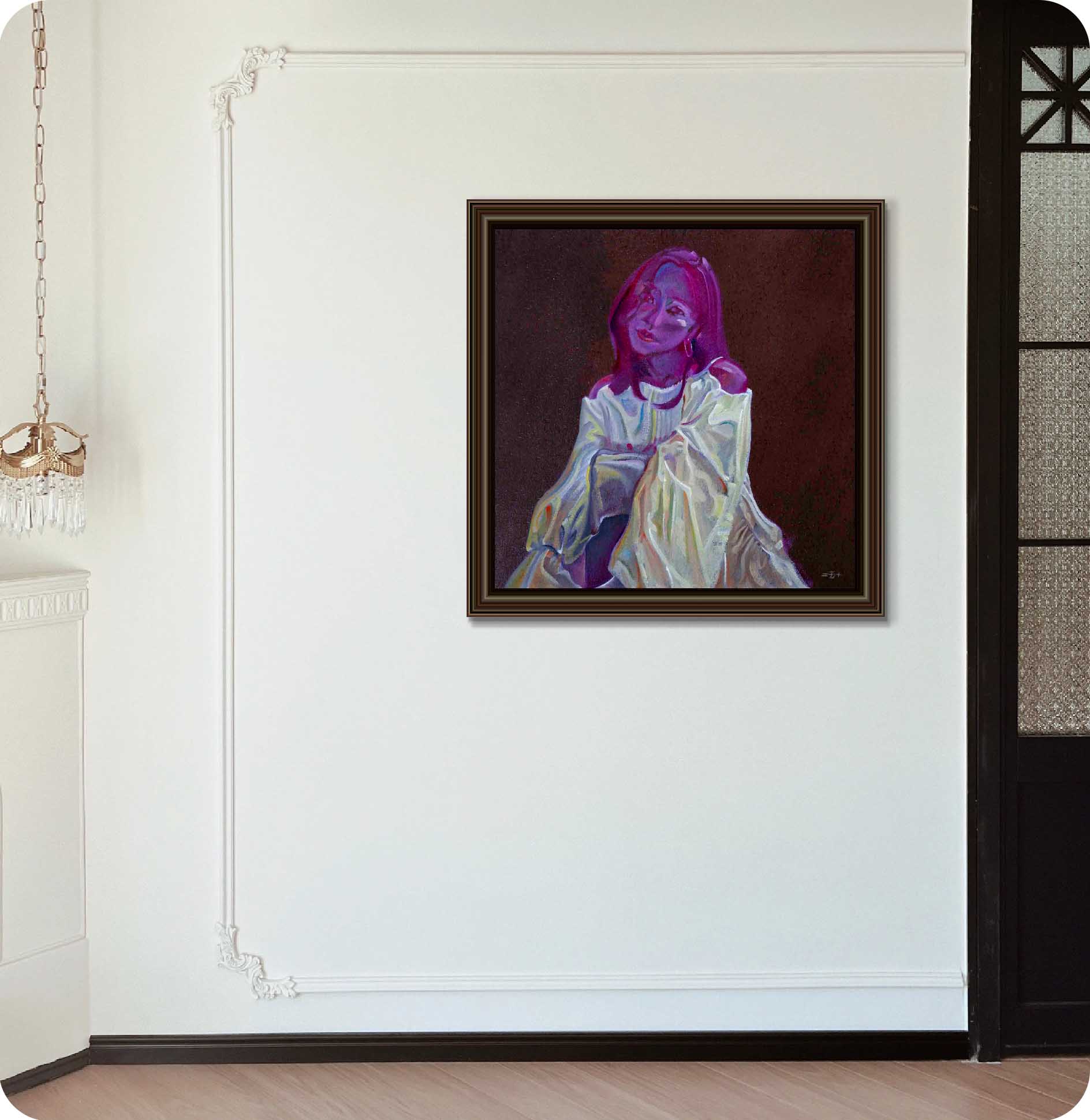
For readers interested in engaging with contemporary acrylic practice beyond institutional frameworks, artphilosopresents a focused selection of original works that emphasize surface discipline, compositional clarity, and conceptual consistency. The paintings featured on artphiloso align with the material and structural concerns discussed throughout this article, offering an independent perspective on acrylic painting as an evolving contemporary language rather than a fixed category.
What distinguishes contemporary acrylic paintings from earlier acrylic works
Contemporary practice emphasizes conceptual framing, layered systems, and cross-disciplinary integration.
Why famous artists nowadays prefer acrylic paint
Acrylic supports speed, durability, and compatibility with complex production methods.
Are popular acrylic paintings suitable for long-term collecting
When properly conserved, acrylic works maintain structural and chromatic stability.
How contemporary acrylic paintings differ visually from oil paintings
They often feature sharper transitions, flatter color zones, and clearer layering.
Which themes dominate famous acrylic paintings today
Identity, abstraction, constructed history, and material experimentation remain central.